Tempco Blog articles

Environment and chillers, phase-out of F-gases in new European regulation

European F-Gas legislation, governed by EU Regulation 2024/573, establishes rules for the use, containment, and phase-out of fluorinated greenhouse gases – substances responsible for global warming and having a high environmental impact if released.

F-gases are refrigerant gases essential for the operation of various types of equipment, such as air conditioners, heat pumps, gas-based fire suppression systems, chillers, and refrigeration plants.

Specifically regarding chillers, the new regulation imposes very strict limits on new installations starting January 1, 2027. These limits are based on Global Warming Potential (GWP) and establish the phasing out of certain types of F-gases in favor of low-environmental-impact gases or natural refrigerants.

Hence, the limits on refrigerant gas employ for newly manufactured chillers vary according to capacity:

  • Up to 12 kW capacity: From January 1, 2027, there is an absolute ban on using fluorinated gases with a GWP of 150 or higher (subject to specific exemptions where necessary to meet safety requirements).
  • Above 12 kW capacity: From January 1, 2027, the use of fluorinated refrigerants is permitted only if they have a GWP below 750.
  • From January 1, 2032: The regulation becomes even stricter, imposing a total ban on the use of any fluorinated gas.


Image showing the Tempco table regarding the new F-gas European regulation for the phase-out of refrigerant gases employed in chillers.


IP55-certified temperature control units for food & beverage

The food & beverage industry presents numerous thermoregulation and temperature control tasks for the various food production and processing of materials. The need for careful temperature regulation in the various processing steps must also meet important and stringent hygienic requirements to ensure product quality, food safety, and saveguard consumer’s health.

Temperature control units for use in food and beverage production lines must therefore meet stringent requirements in terms of materials and design, ensuring hygienic design of equipments. Thanks to an audit conducted by a notified body for the certification of the internal components of our TREG temperature control units, Tempco is therefore now able to provide IP55-certified temperature control units. The IP55 certification of a component specifically indicates the level of protection a device provides against the ingress of dust and liquids.

Illustrative image of Tempco TCU IP55-certified temperature control units for temperature control in the food and beverage industry.

This is further important addition to Tempco’s range of temperature control solutions for the food and beverage industry, where it already boasts a wide range of important and interesting applications, from chocolate processing to pasta, candies and sweets, milk, wine, and beer, to name just a few. The ability to offer internal components for our TCU specifically designed with IP55 protection, to meet the needs of the food and beverage market which requires the ability to wash down equipment with water jets, therefore opens up a wide variety of new application opportunities for Tempco, to even better meet the temperature control needs of the food industry.

Cooling systems: what to check before summer to avoid machines downtime

With the arrival of the hot summer season, cooling systems are forced to operate under the most demanding conditions of the year. High outside temperatures reduce the available thermal differential, and thus increasing the working loads on components, and any existing inefficiencies in the system are amplified.

A preventive check before summer is therefore essential to ensure production continuity, consistent performance, and controlled energy consumption.

A system that is not properly checked can encounter a series of interconnected problems during the summer months:

  • Reduced cooling capacity, making it impossible to maintain the required process conditions
  • Increased energy consumption, as the system operates unpredictably to compensate for inefficiencies
  • Alarms and sudden shutdowns, often during peak production periods
  • Loss of downstream process efficiency, with consequences for quality and productivity

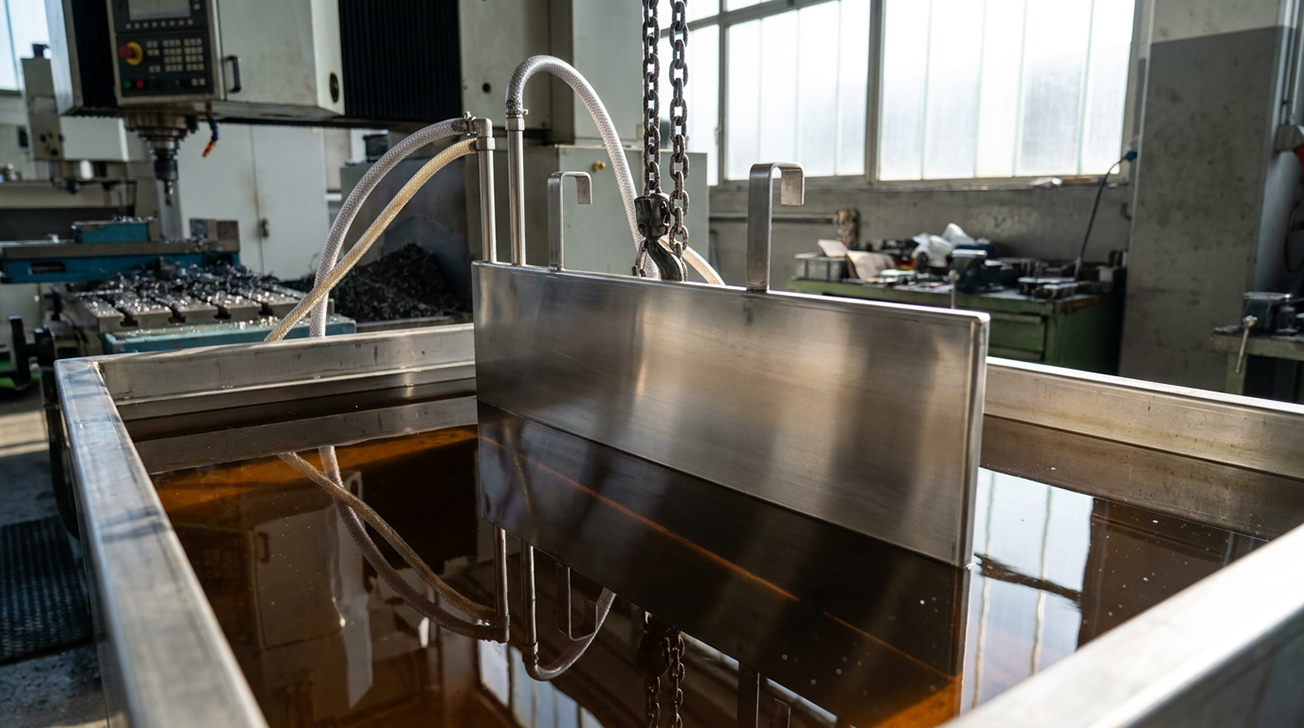
Illustrative image of preventive maintenance checks and inspections for cooling systems before the extreme temperatures of summer can lead to unwanted production downtime.

To safely handle summer loads, a suitable best practice is to plan a systematic system check in advance. The main points to check are the followings:

Cleanliness and condition of heat exchangers. Heat transfer surfaces must be clean and free of deposits or fouling. Even a thin layer of fouling can significantly reduce the overall heat transfer coefficient (U), degrading the unit’s rated performance. The check must include both the process and service sides.

Water circuit and water quality. Pipe scaling, localized corrosion, and deterioration of cooling water quality are among the most common causes of problems during the summer season. It’s important to check the pH, hardness, and concentration of any inhibitors, as well as verify proper circulation within the circuits.

Ventilation and condensation components. In dry coolers and evaporative cooling towers, the condensation section is the first to be affected by high external temperatures. Checking that the fans are working properly, that the fins are clean, and that there are no obstructions to the airflow is essential to avoid compromising the unit’s capacity.

General functional check. The inspection must be completed with a comprehensive functional check: calibration of temperature and pressure controls, condition of control components, alarm management, and verification of the correct operating sequence under peak conditions.

Preventive maintenance conducted before summer allows for the identification and resolution of critical issues while there is still time to do so, avoiding emergency interventions during peak production periods.

Brazed plate heat exchangers for CDUs in liquid cooling for data centers

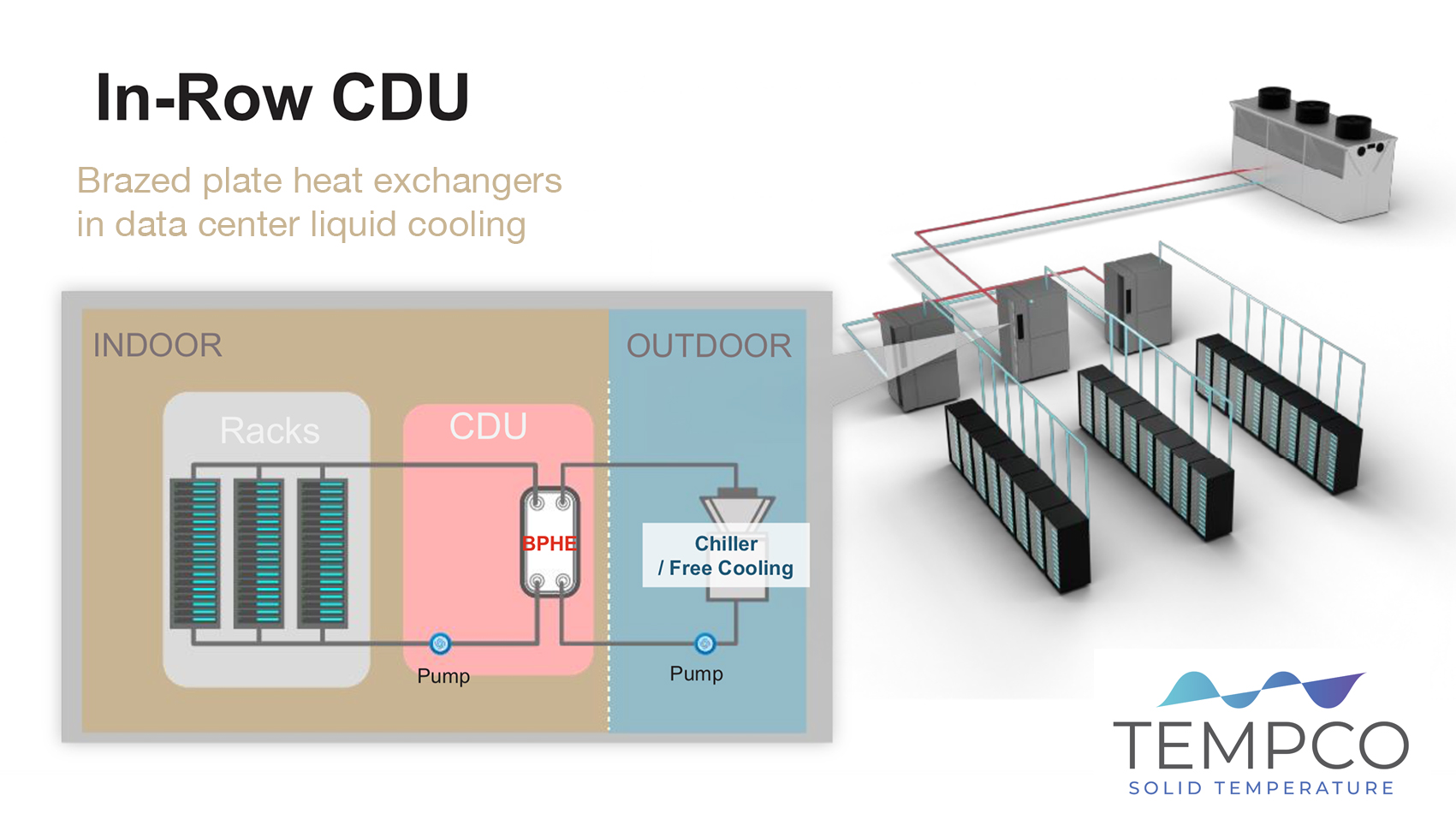
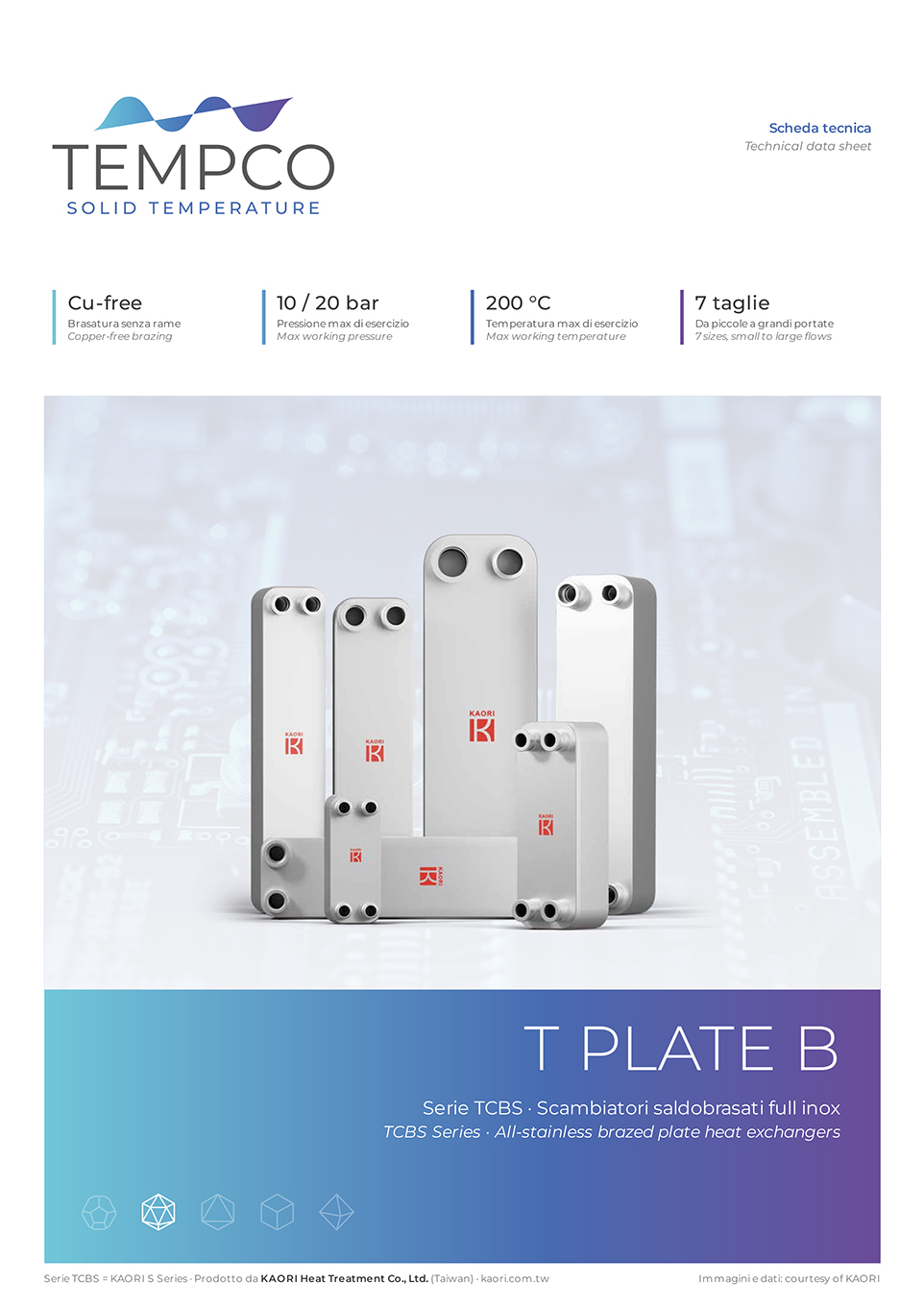
Tempco offers a complete range of brazed plate heat exchangers designed and developed specifically for the cooling needs of data centers, computing infrastructures in rapidly growing demand to meet the needs of new AI and HPC applications.

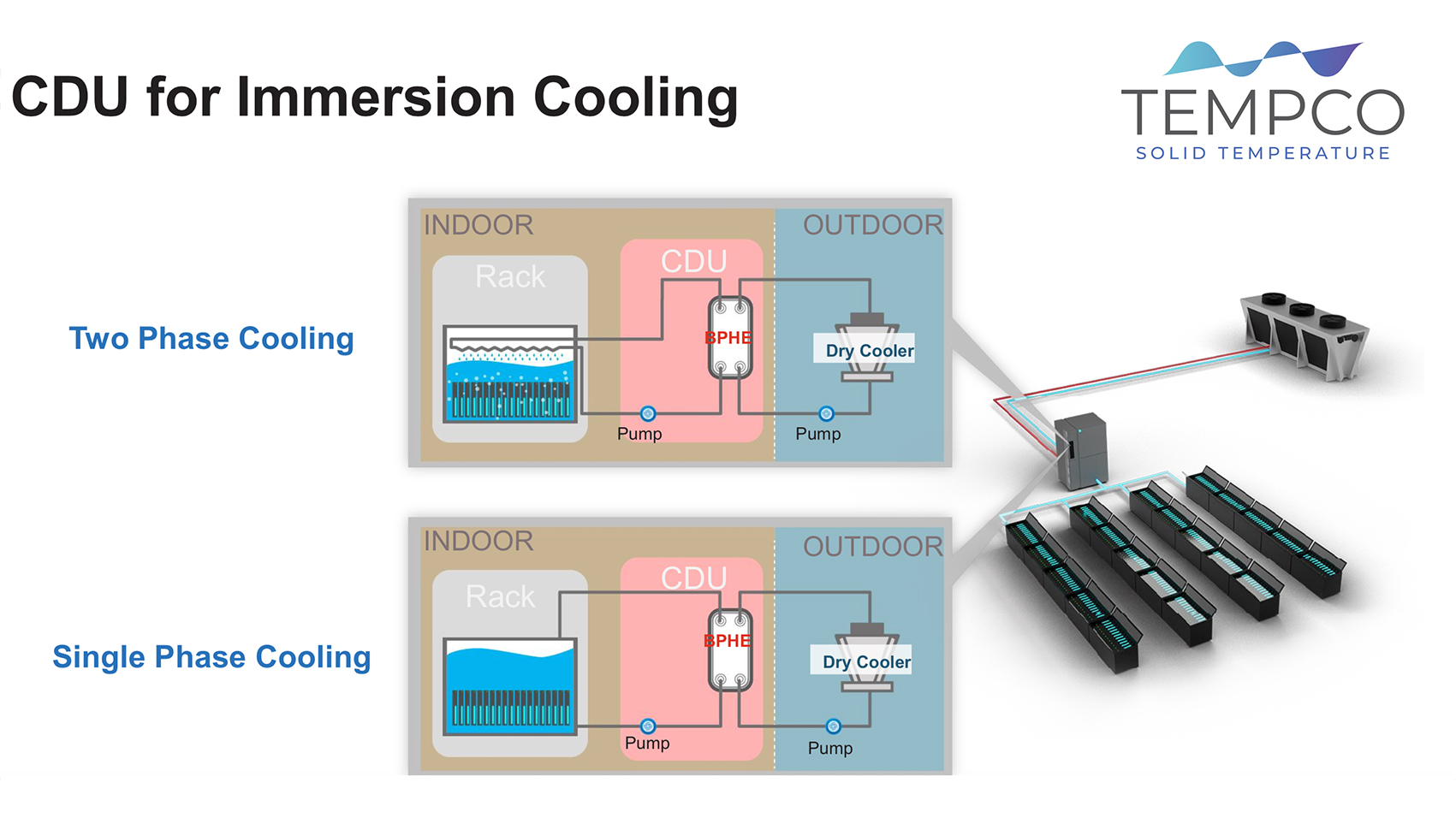
Among the cooling solutions offered by Tempco for data centers, particular attention is paid to the most innovative liquid cooling technologies, which offer greater efficiency in dissipating heat generated by chips – and therefore better temperature regulation – thanks to the superior thermal conductivity of liquids compared to traditional air cooling solutions. Tempco brazed plate exchangers therefore serve as a key technology for CDUs – Coolant Distribution Units – used in the liquid cooling of high-performance data centers, a strategic path to reduce the environmental impact of data centers, increase their sustainability and improve energy consumption efficiency (PUE, power usage effectiveness).

The improved thermal management made possible by liquid cooling also allows data centers to operate at higher power densities while maintaining high performance and reliability.

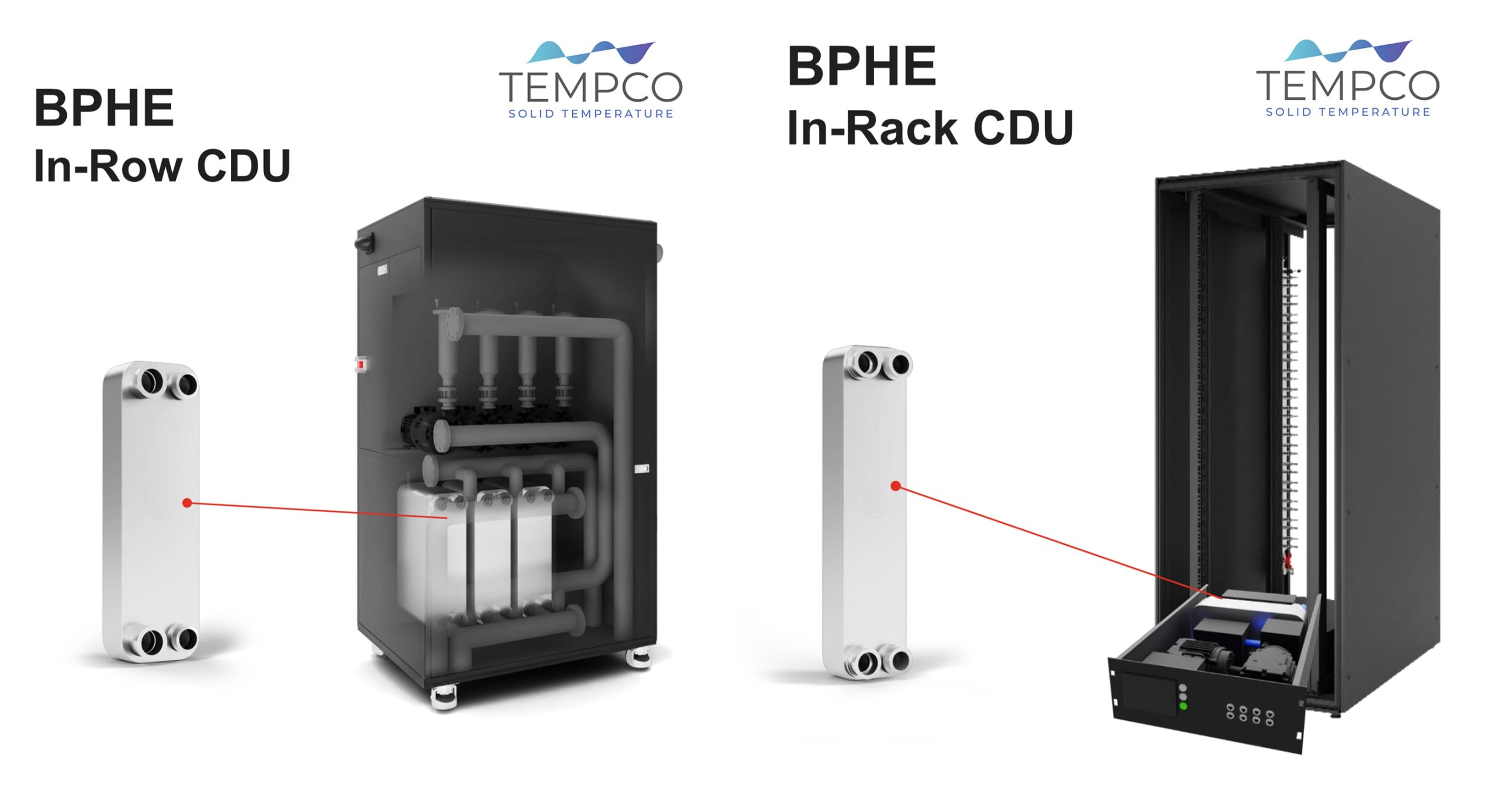
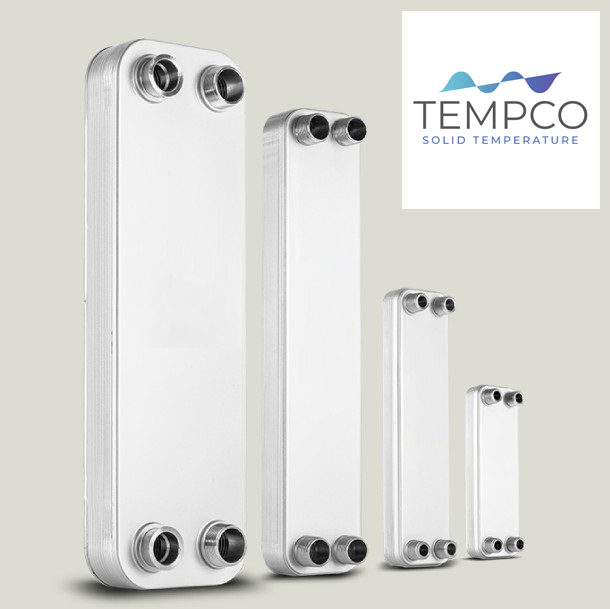
Illustrative image of Tempco's brazed plate heat exchangers ecosystem for CDUs in liquid coolig applications for high-performance data centers.
Liquid cooling for servers and electronic devices uses dielectric fluids, suitable for direct contact with chips and electronic equipment, in the case of direct immersion cooling, or for cold plates applications. Cold plates are special components used in the liquid cooling of electronic components, made of metals with high thermal conductivity (typically copper or aluminum). The chip or electronic component that overheats is attached directly to the cold plate, and the heat is transferred to it by conduction. Inside, the coolant flows through special microchannel structures, which greatly increase the contact surface with the overheated metal. The liquid then absorbs the heat and, via a small pump, is pushed out of the cold plate towards a heat exchanger or chiller.

In addition to the superior heat dissipation efficiency of the heat generated by servers, liquid cooling also offers another key advantage: compactness, allowing for the creation of high-density computing structures in data centers while saving installation space. The Tempco range of brazed exchangers for liquid cooling in data centers therefore offers very compact dimensions, which allow for easy integration into CDUs inside racks or in-row architectures, which can serve up to 10 racks.

UL-certified temperature control unit for carbon fiber impregnation

For an interesting customer application, involving the impregnation of carbon fibers and other specialty fibers, Tempco has designed and delivered a special diathermic oil temperature control unit with a maximum design temperature of 300° C. The unit’s operating temperature is 250°C, with a heating power of 24 kW (12+12 UL).

An important feature of this TCU is its construction in compliance with UL regulations, which establish safety standards for electrical and electronic equipment for use in the North American market. UL certification therefore allows our Tempco TREG units to be exported and installed for applications in the United States and Canada.

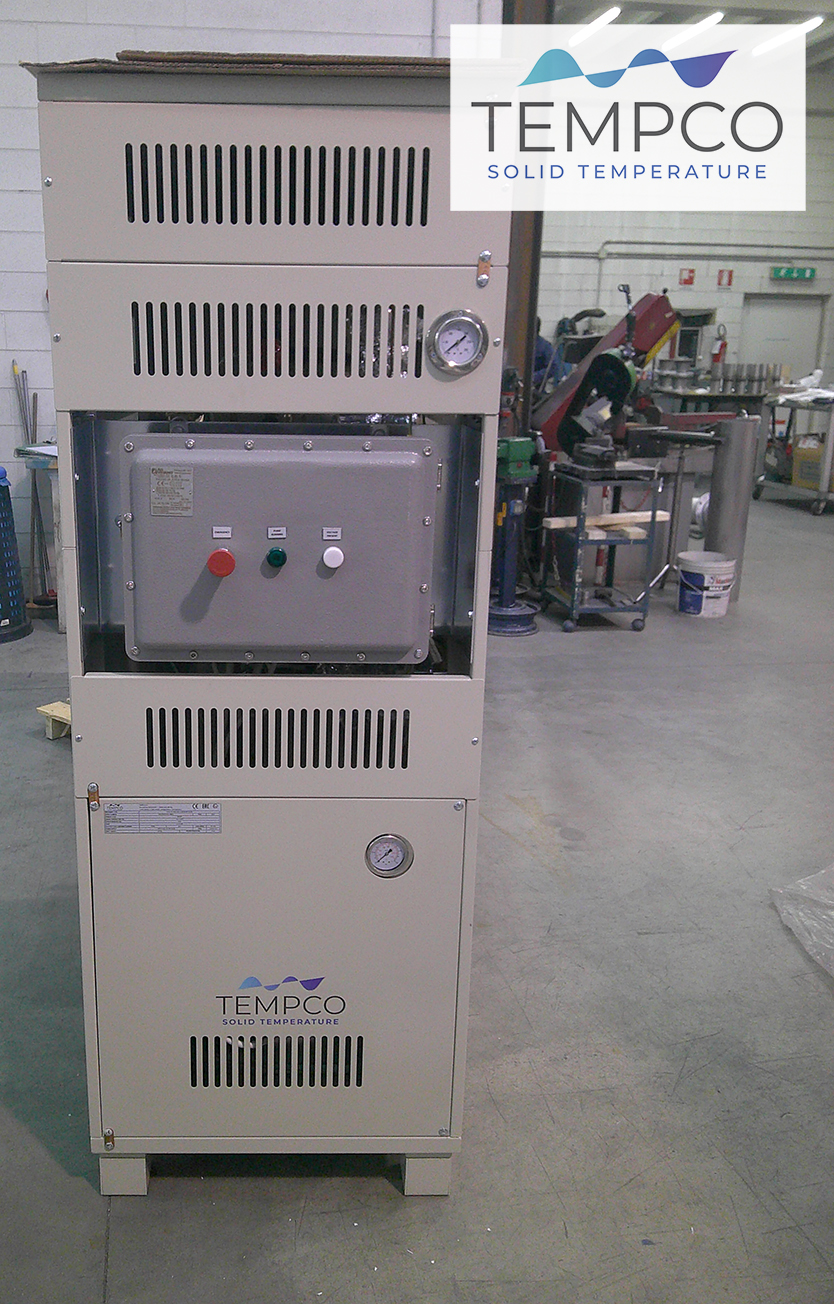
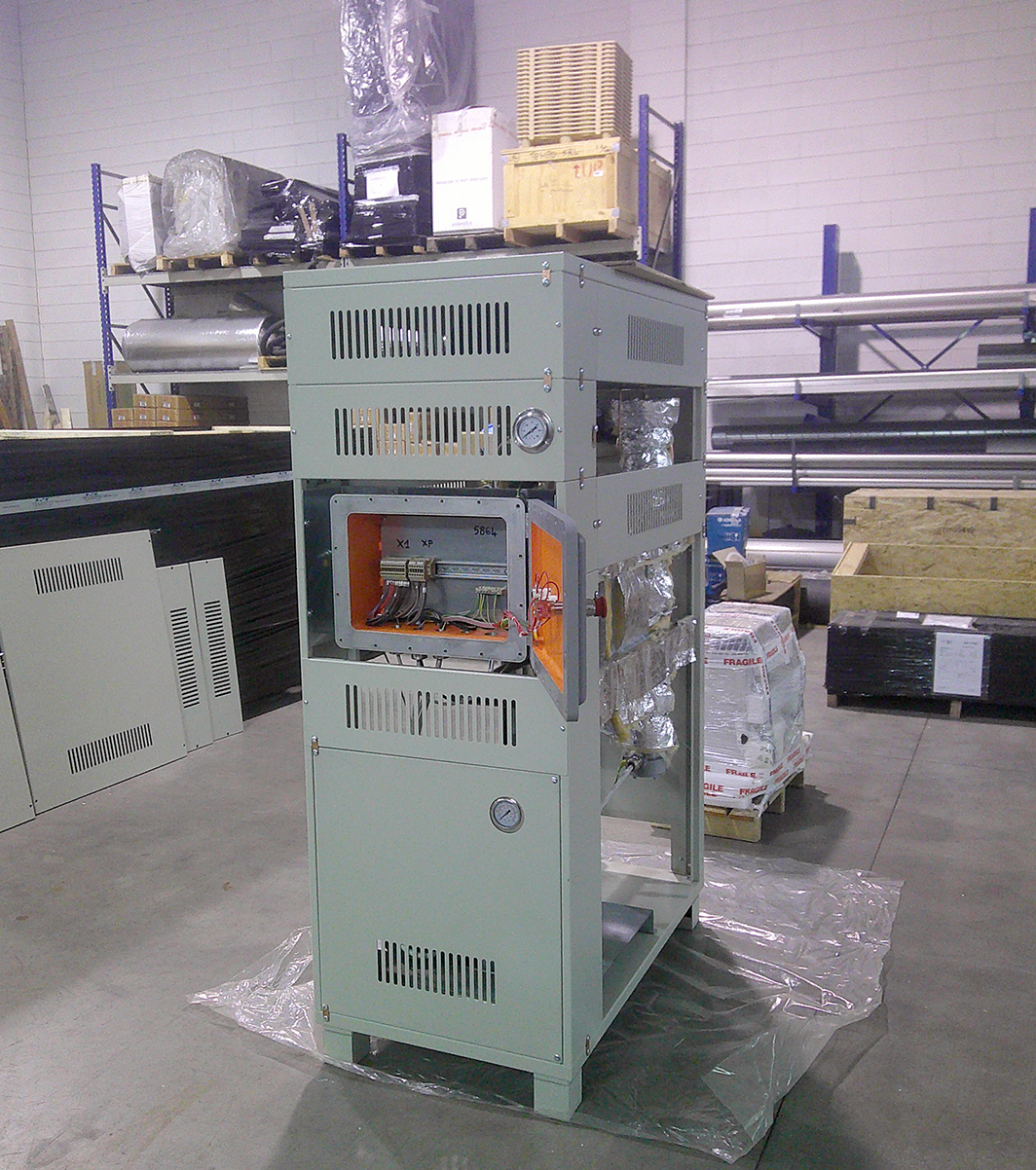
Image showing a Tempco diathermic oil temperature control unit for carbon fiber impregnation with UL construction.

This particular thermoregulation unit has a cooling section using a shell and tube exchanger with stainless steel core. The TCU’s power supply is 575V-3Ph-60Hz-3Ph+T. The oil circuit is finally served by a UL 100 liter, 30 meter, 2.8 kW magnetic drive pump. The choice to use a magnetic drive pump, as an alternative to traditional mechanical seal pumps, is based on safety considerations.

Magnetic drive pumps eliminate any type of mechanical coupling, instead using a magnetic coupling between the motor shaft and the pressurized oil in the pump impeller. The exclusion of mechanical seals in the pumping circuit therefore eliminates any risk of possible leakage of diathermic oil at extremely high-temperature, ensuring overall safety of the equipment and eliminating the risk of pump cavitation due to air infiltration.

Image showing a Tempco TCU high-temperature diathermic oil temperature control unit for carbon fiber impregnation with UL construction.


Tempco’s spare parts ordering guide for plate heat exchangers

To ensure high thermal performance and long-lasting durability, choosing original spare parts for plate heat exchangers is essential. To support users in the correct selection of original spare parts for plates and gaskets, Tempco has developed a dedicated Manual that allows customers to always ensure the highest levels of efficiency and operational safety for their thermal management plants.

The Tempco Service team provides technical support for component identification, compatibility verification, and the supply of appropriate spare parts. First, it is necessary to identify the exchanger model, which is the basis for any spare parts request.

The exchanger model can be found from:

  • Identification plate attached to the exchanger
  • Technical drawings or thermal calculation sheets
  • Tempco supply documents

It is also helpful to provide:

  • Number of plates installed
  • Gasket type
  • Year of supply or serial number

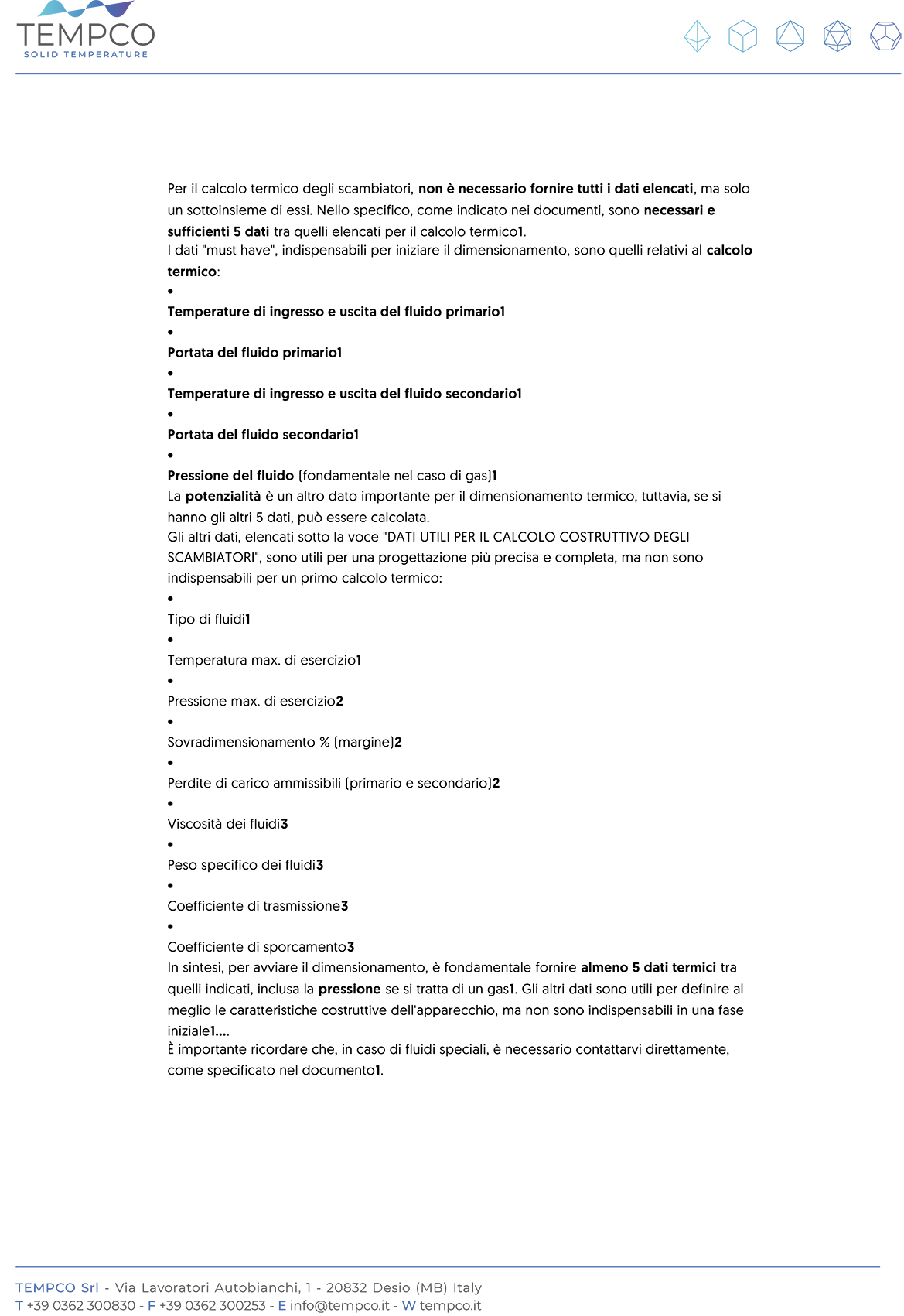
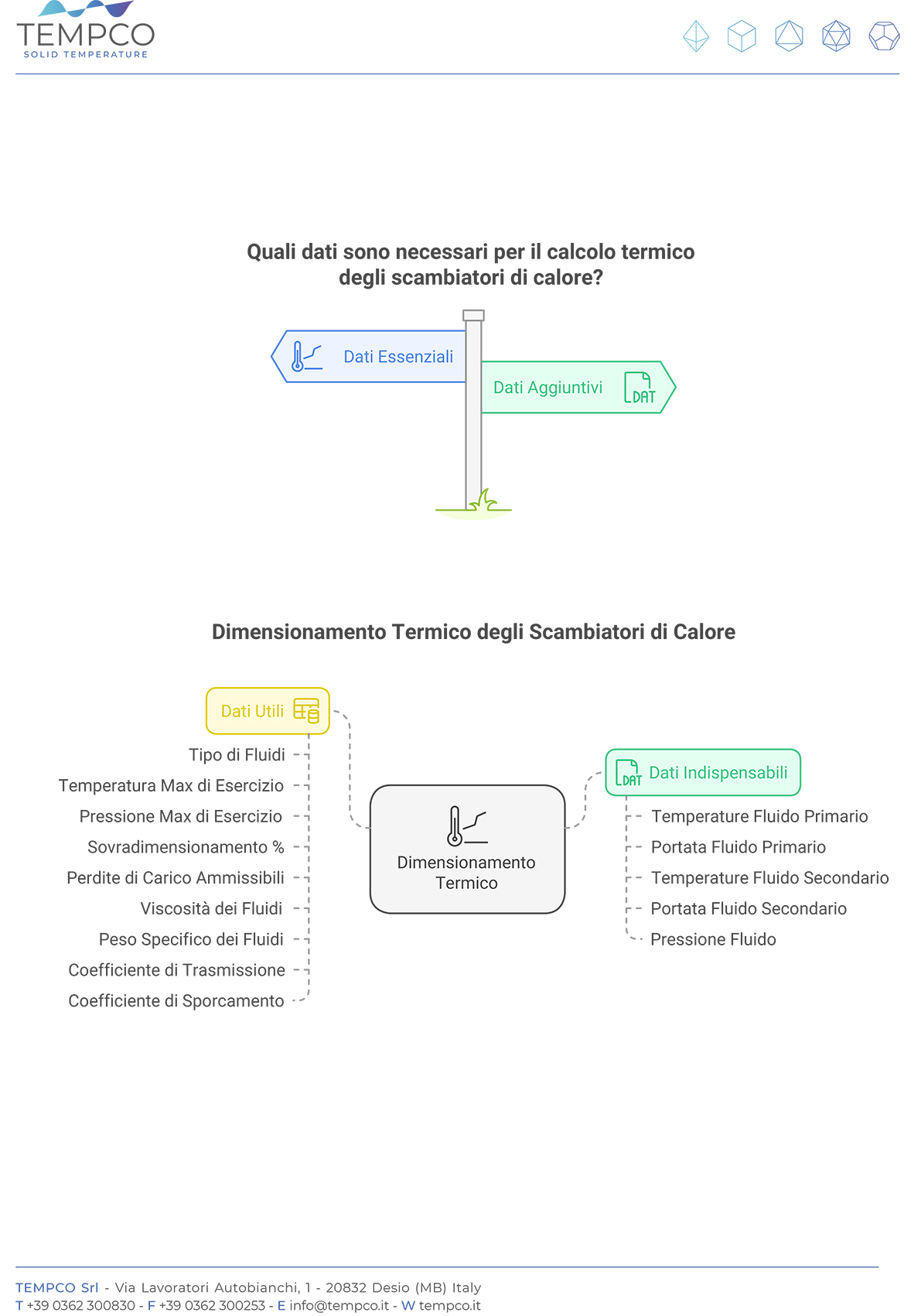
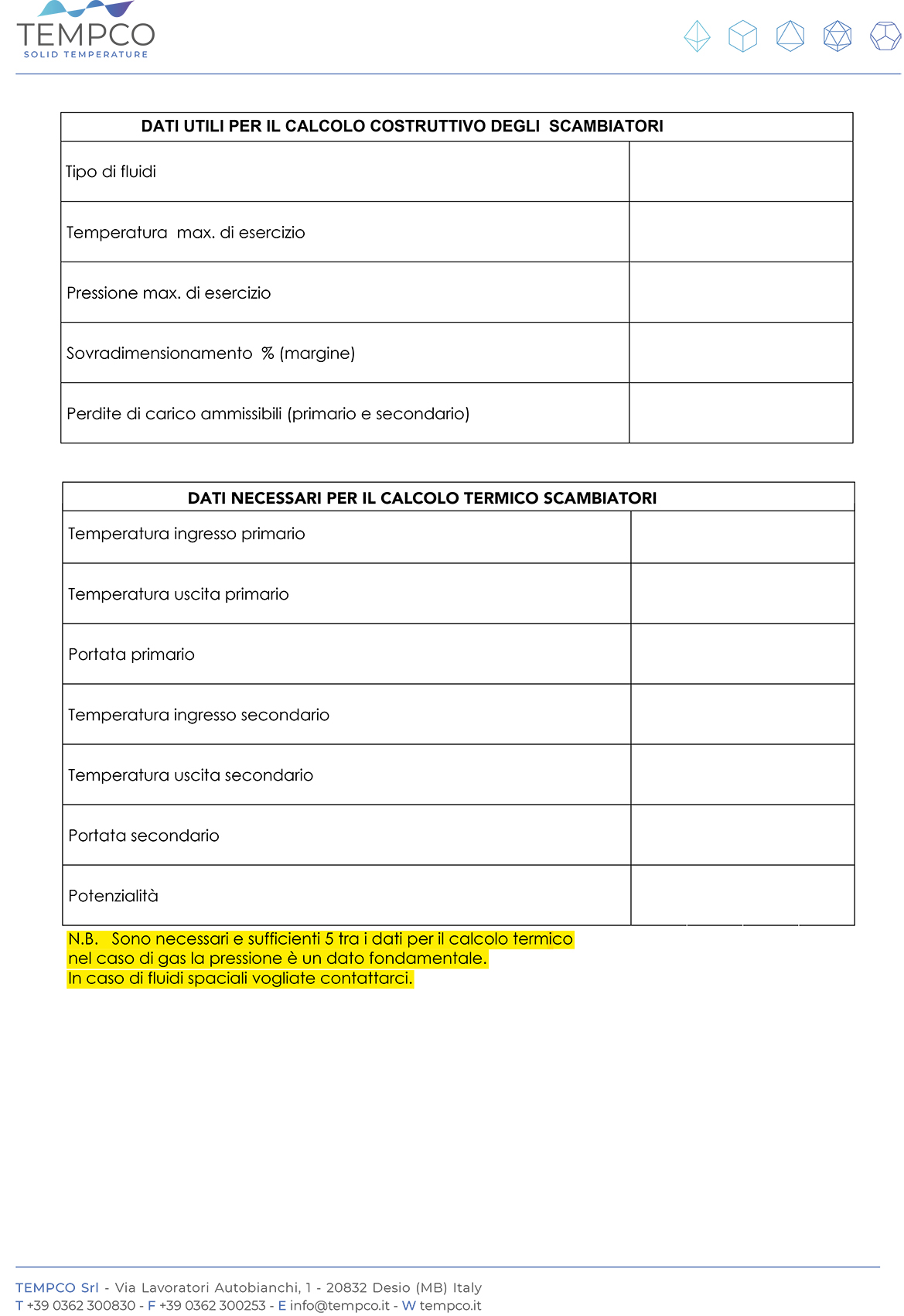
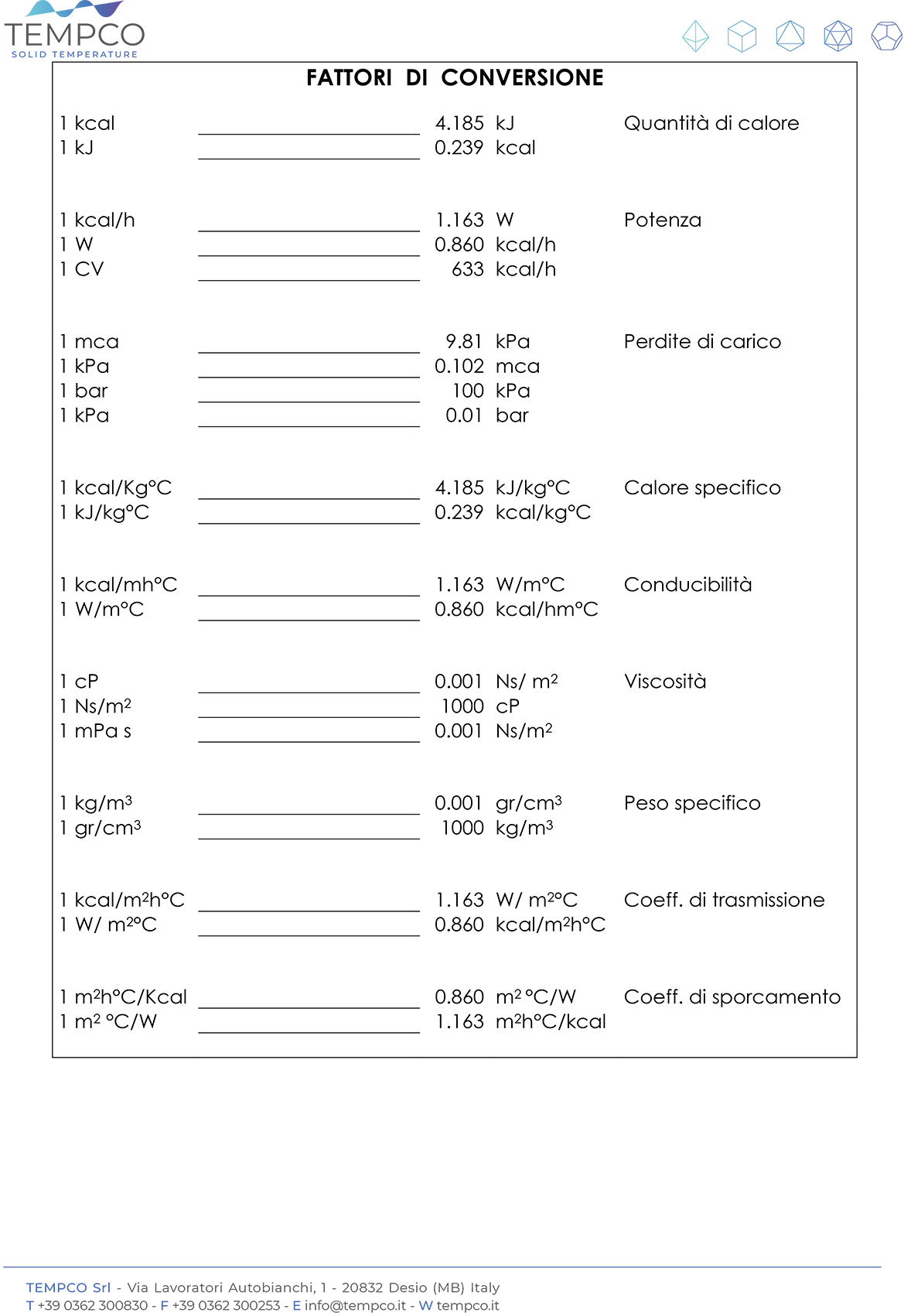
The two tables below therefore offer valuable support when requesting spare parts for heat transfer plates and gaskets.

Image showing the diagram for selecting spare parts for heat exchange plates in plate heat exchangers.

Image showing the diagram for selecting spare parts for gaskets in plate heat exchangers.

Finally, some helpful further tips:

  • Send clear photos of the plates and gaskets for quick identification.
  • Indicate the process fluid and operating conditions.
  • Tempco can provide plate reconditioning and regeneration with leak testing.
  • Keeping a spare set of gaskets reduces system downtime.
  • Observe recommended tightening torque values when reassembling.


Image showing the Tempco Guide to selecting spare parts for plate heat exchangers.


Image showing the Tempco Guide to selecting spare parts for plate heat exchangers, plates, and gaskets.


Modulating power temperature control unit for a pharma reactor

The photos below show a temperature control unit (TCU) for high-temperature diathermic oil, which Tempco deployed and recently delivered to a customer for temperature control in a pharmaceutical reactor.

Precise control of heating and cooling temperature ramps is crucial to achieve the chemical reactions between ingredients in pharmaceutical production recipes, essential for the efficacy and quality of the finished products and active ingredients.

The image shows a high-temperature diathermic oil temperature control unit for temperature regulation in a pharmaceutical reactor.

This TCU specifically allows to reach a maximum operating temperature of 300°C, thanks to an installed heating power of 300 kW equipped with a water-cooled section. The system’s efficiency is ensured by modulating power control in the reactor’s temperature regulation, achieved thanks to SCR thyristors. The TCU is finally equipped with a remote expansion vessel with a capacity of 1,500 liters.


The image shows a high-temperature diathermic oil temperature control unit with modulating power and heating up to 300°C for temperature regulation in a pharmaceutical reactor.


PCHE as gas turbine performance heater in oil & gas applications

Printed circuit PCHE heat exchangers also find important applications in the oil and gas sector, serving as Gas Turbine Performance Heaters. This type of application also offers the opportunity to turn heat recovery into a performance lever.

Gas turbines are extremely sensitive to fluid conditions, in terms of temperature, fluid density, and thermal profile stability. In many industrial applications (power generation, oil and gas, LNG, hydrogen-ready plants), precise control of gas temperature is essential to improve efficiency, reduce operational instabilities, and protect the equipment during transient conditions. This is where the Gas Turbine Performance Heater is involved.

A Gas Turbine Performance Heater is essentially a heat exchanger designed for gas preheating (air, fuel gas, process gas), with a controlled ΔT, high reliability, and often undergoing high pressure and continuous service. Typical applications include fuel gas conditioning, intake air heating, and heat recovery systems from oil/hot water/waste heat recovery circuits.

AI image illustrating the applications of PCHE exchangers in oil and gas plants as gas turbine performance heater, offering efficiency, compactness, greater operational stability, and increased performance.
Tempco proposes PCHE exchangers as particularly suited to this role, as they offer significant key advantages over traditional shell-and-tube solutions:

  • Extremely compact
  • Resistance to high pressures (tens/hundreds of bar)
  • Perfect thermal stability even with rapid gradients
  • Minimal fluid accumulation → safety + fast response
  • Channel geometry optimizable upon the actual operating point

In performance-driven turbine applications, this makes the difference.

PCHE + Turbine: a smart technical marriage
As a performance heater, the PCHE allows:

  • very precise control of the inlet gas temperature
  • low pressure drops (if properly designed)
  • easy integration into compact skids
  • reliable operation even in:
    ◦ offshore environments
    ◦ frequent start/stop cycles
    ◦ severe conditions (H₂ blend, dry gases, LNG boil-off)

When the focus is performance + reliability, the PCHE is often the most engineered choice, not just the most compact.

A double advantage is therefore achieved when increased performance is achieved by implementing a heat recovery system, and this is where the application becomes very interesting, when the PCHE is served by:

  • heat recovery circuits
  • jacket water
  • hot oil
  • process waste heat

The result is an increase in the overall efficiency of the system, a reduction in auxiliary consumption, and improved operational control of the turbine.

Tempco therefore positions itself as a strategic technology partner for the development and implementation of this type of application, providing not only the technology but also support for the engineering, in defining the actual duty cycle and verifying turbine-side pressure drops – a highly critical issue – and then ensuring the integration of PCHEs into complete skids and technical dialogue with EPCs and turbine OEMs. The PCHE is not a standard component, but a solution tailored to the plant.

In conclusion, the use of PCHEs as Gas Turbine Performance Heaters represents a natural, highly innovative evolution of high-performance applications in the oil and gas sector, effectively addressing the needs for compactness, safety, and control. Representing a perfect example of applied thermal engineering as a special and customized, non-standard solution.


Thermoregulation for custom carbon fiber components

Carbon fiber parts molding is a manufacturing process that involves special attention to temperature regulation, requiring high levels of precision and reliability in thermal control to ensure material quality and high mechanical and structural performances.

Tempco already has several applications of temperature control units designed to meet the specific thermoregulation needs of molding carbon fiber components. The unit pictured below is a temperature control unit we recently supplied to a company in the province of Bergamo, specializing in the production of custom carbon fiber components for high-performance vehicles as well as other applications.

Image showing a Tempco temperature control unit for thermal control in the molding of carbon fiber parts for high-performance vehicles.

Tempco’s TCUs have a wide range of applications in the automotive sector, supporting our clients in defining the design and engineering process using a DFM (Design for Manufacturing) approach, aimed at achieving an ideal balance and harmony on both fronts. Maximizing aesthetic appeal while simultaneously enhancing the mechanical and structural performance of the components.

A promise made to the sea, first hydrogen refueling in port

At the Baglietto shipyard, located in the Port of La Spezia, the first hydrogen refueling test from a dockside mobile vessel to a boat was successfully completed on April 1, 2026. The test confirmed the feasibility of low-pressure hydrogen transfer (30 bar) using an onboard storage system based on metal hydrides, which have proven to guarantee the intrinsic safety of this type of operation.

This is another important step towards the realization of Baglietto’s Bzero project, a true ‘promise made to the sea’ from the shipbuilder, aimed at implementing a green hydrogen production module on its yachts for zero-emission navigation. Using filtered and deionized seawater, Bzero will be able to produce hydrogen with a purity of grade 5.0 at a maximum pressure of 35 bar, using a system of AEM electrolyzers (for a total power of approximately 55 kW), powered mainly by energy from renewable sources.

Image illustrating the green hydrogen production systems using electrolyzers and fuel cells for zero-emission navigation onboard in Baglietto's Bzero yacht.

Baglietto’s zero-emission yacht for sustainable navigation uses photovoltaics to power electrolyzers, which produce green hydrogen directly from seawater. These in turn power an onboard PEM fuel cell system, enabling navigation in full-electric or hybrid mode. The propulsion system is automatically selected by the yacht’s advanced navigation systems to ensure the best balance between performance and efficiency. The cooling systems provided by Tempco, one of the partners in this important project, play a key role in the entire process: precise, constant, and reliable temperature regulation of all the yacht’s power electronics.

Image illustrating Baglietto's Bzero yacht for zero-emission navigation with hybrid or full electric hydrogen propulsion modes.

Going more in depth, as detailed by Baglietto itself, the hydrogen produced is stored in solid state, at low pressure and ambient temperature, inside metal hydrides tanks (MH storage). The hydrogen storage and release process is managed by a thermal management system that heats the metal hydrides during discharge and cools them during recharging. The required thermal energy is recovered from the heat generated by a PEM fuel cell module, with a capacity of approximately 185 kW, which uses hydrogen as fuel to produce zero-emission and zero-noise electricity. The generated power is regulated via a DC/DC converter on a 700 V DC central bus, a solution already tested on Baglietto yachts equipped with hybrid technology. Connected in parallel to the fuel cell on the same bus is a set of lithium-ion batteries designed to absorb peaks and sudden variations in user energy demand.

Image of the prototype for operational testing of Baglietto's Bzero zero-emission yacht, built at the Port of La Spezia.

The operations conducted on the prototype created in port are aimed at optimizing the technical aspects to obtain the necessary RINA certifications for hydrogen tank refueling operations and speeding up the procedure, while also ensuring the highest levels of process safety.