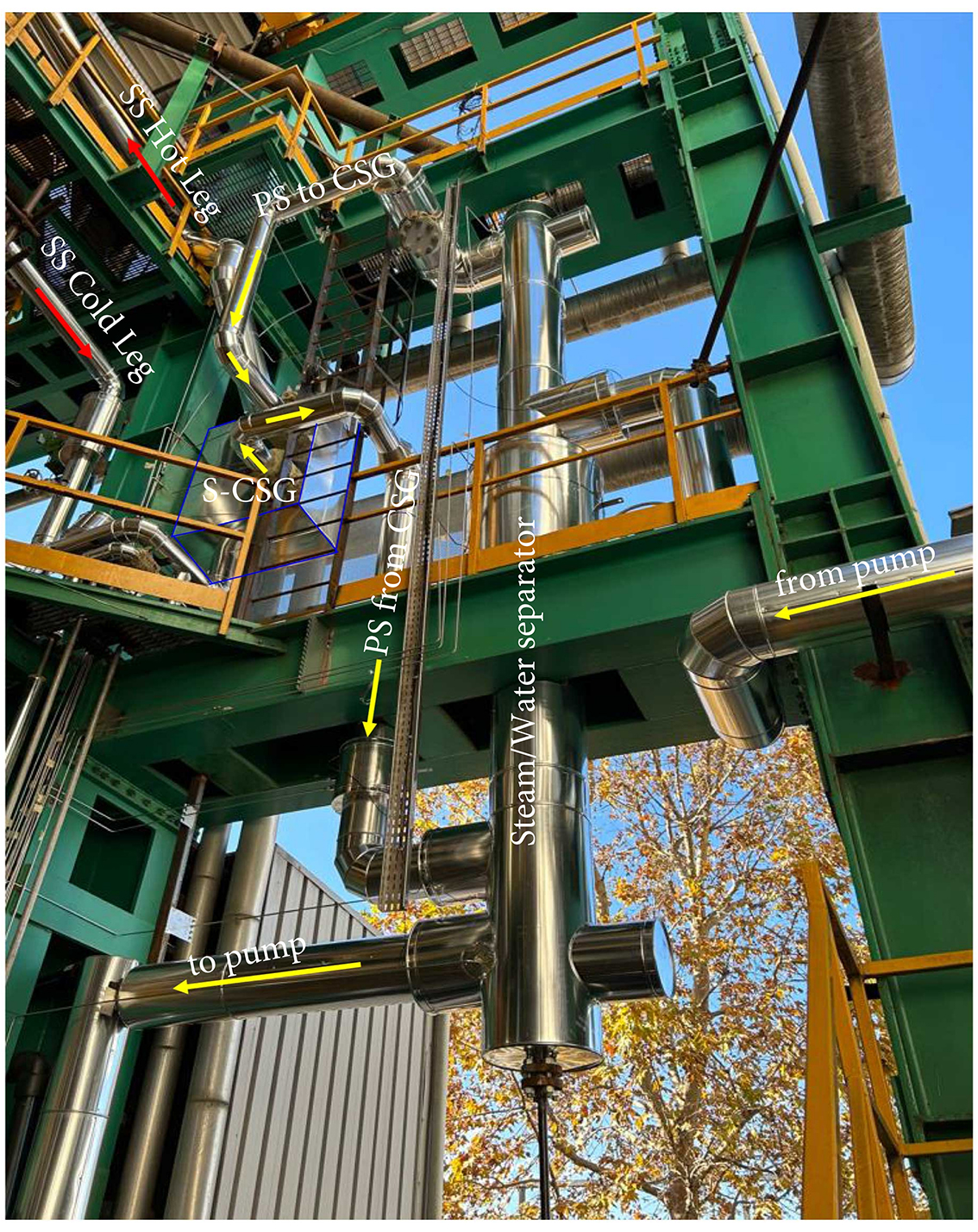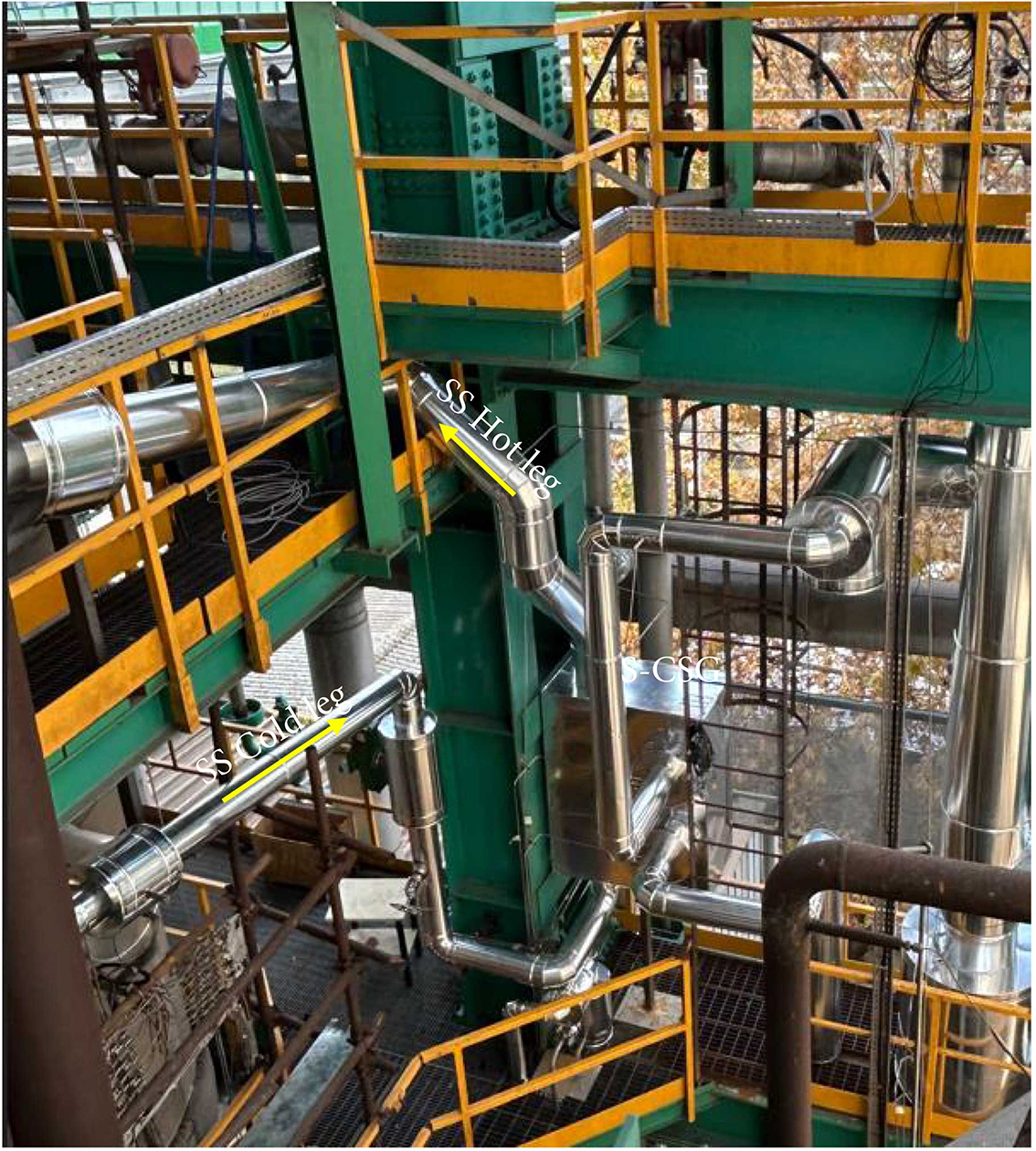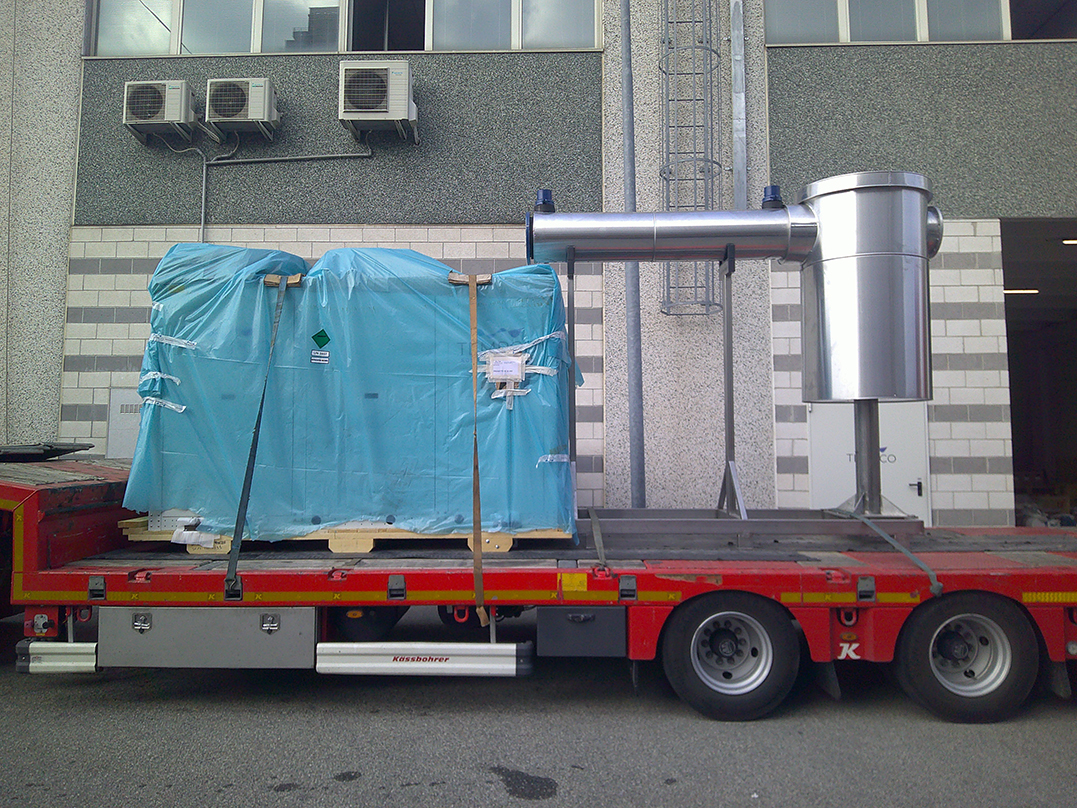
We haven’t talked about the biogas sector in a while, but it is still a very important sector for Tempco, in which we continue to be very active and present, supplying systems for this kind of applications.
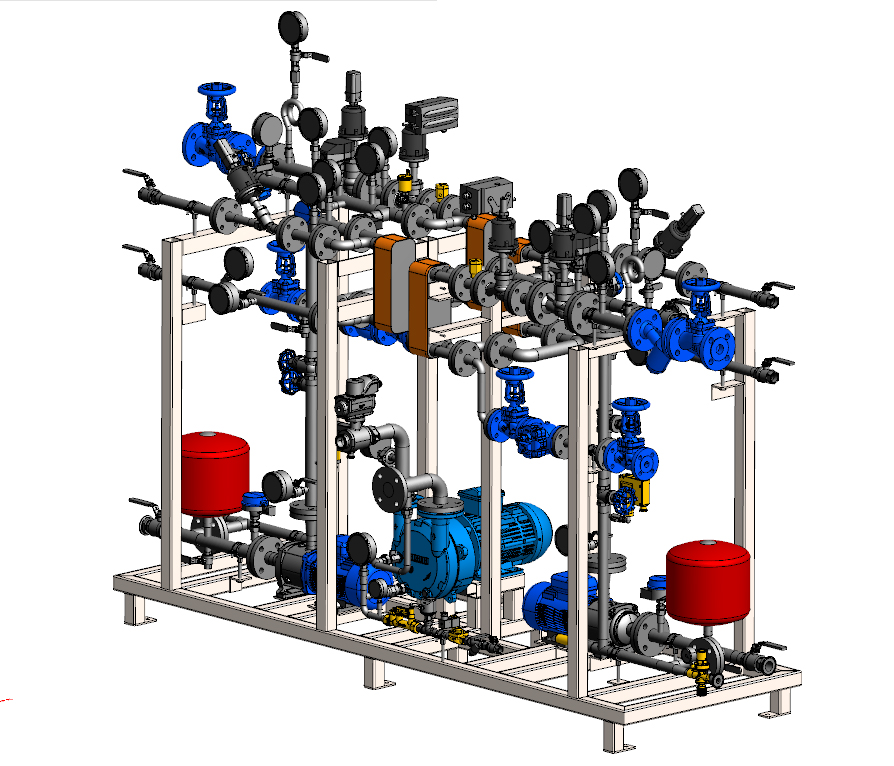
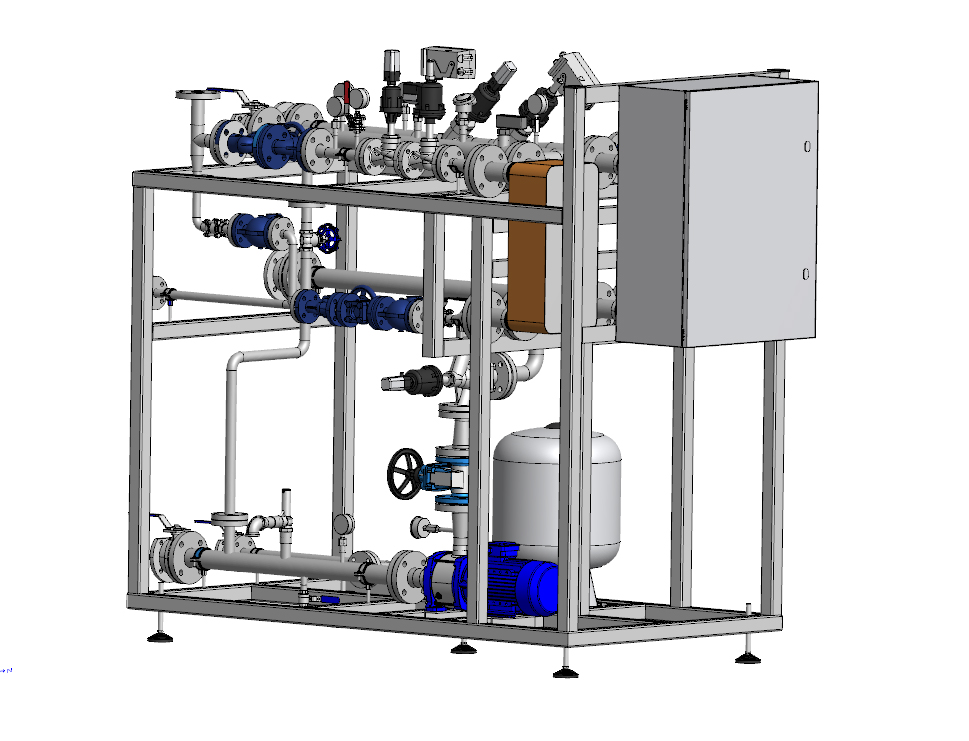
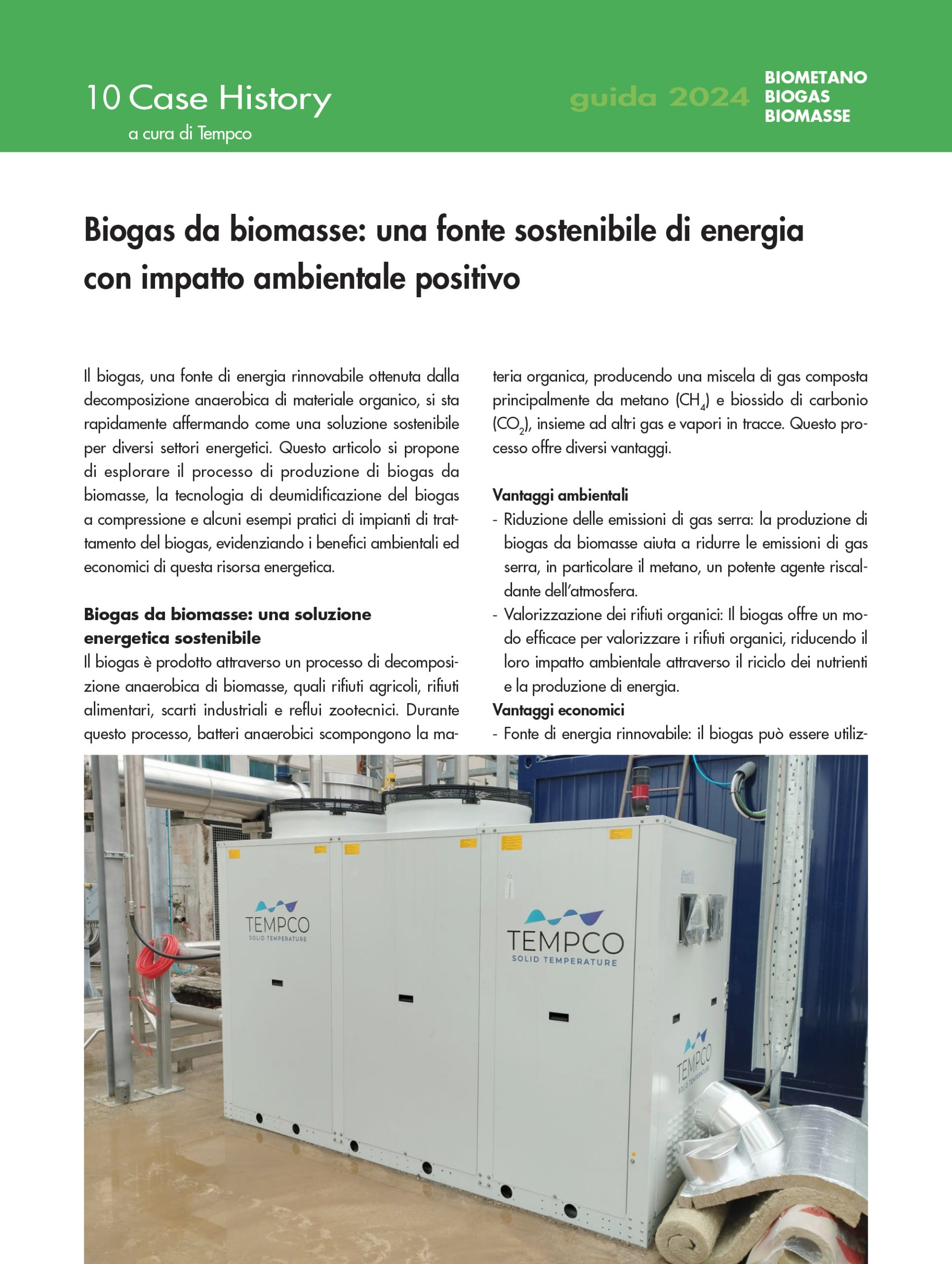
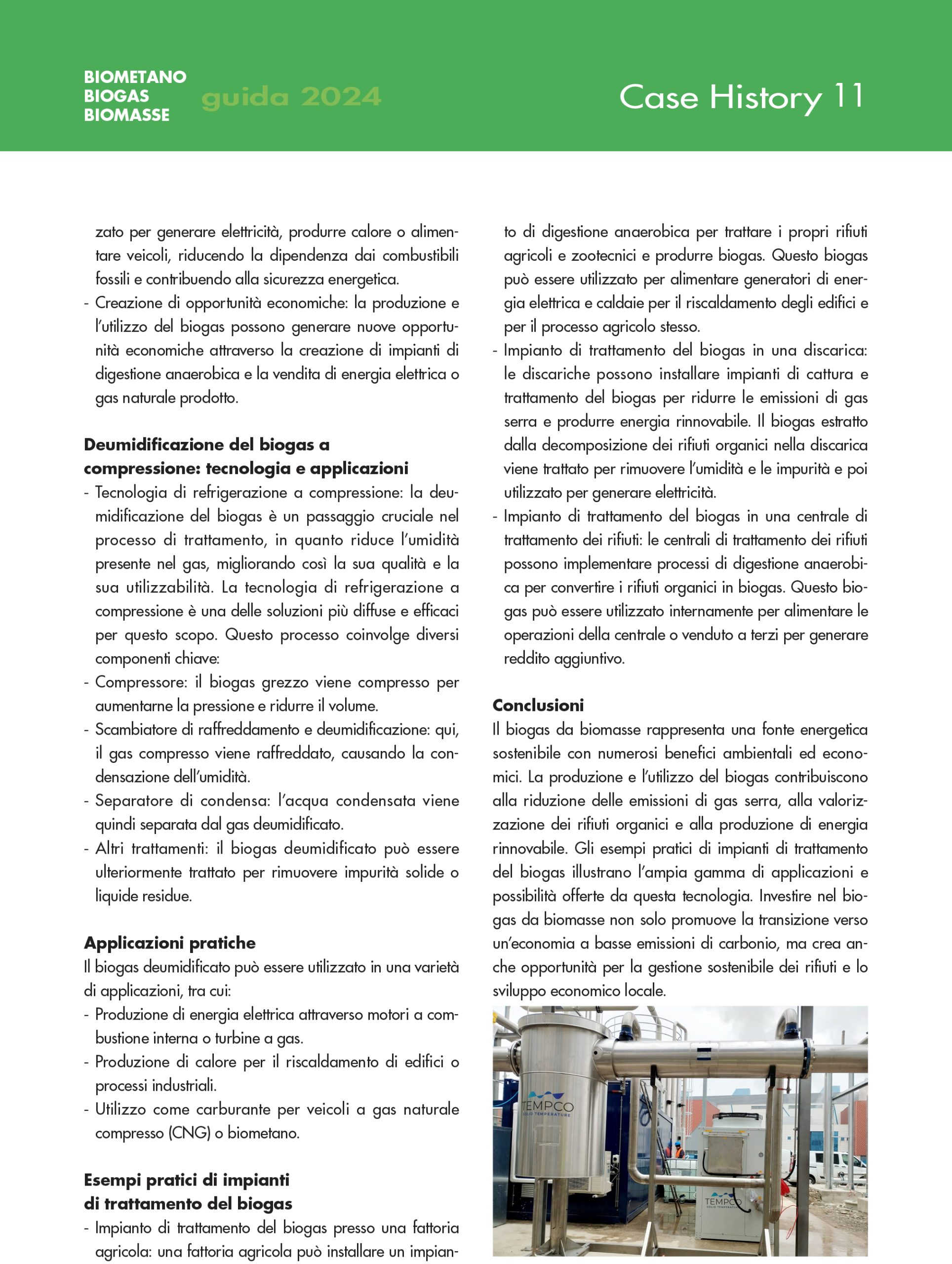
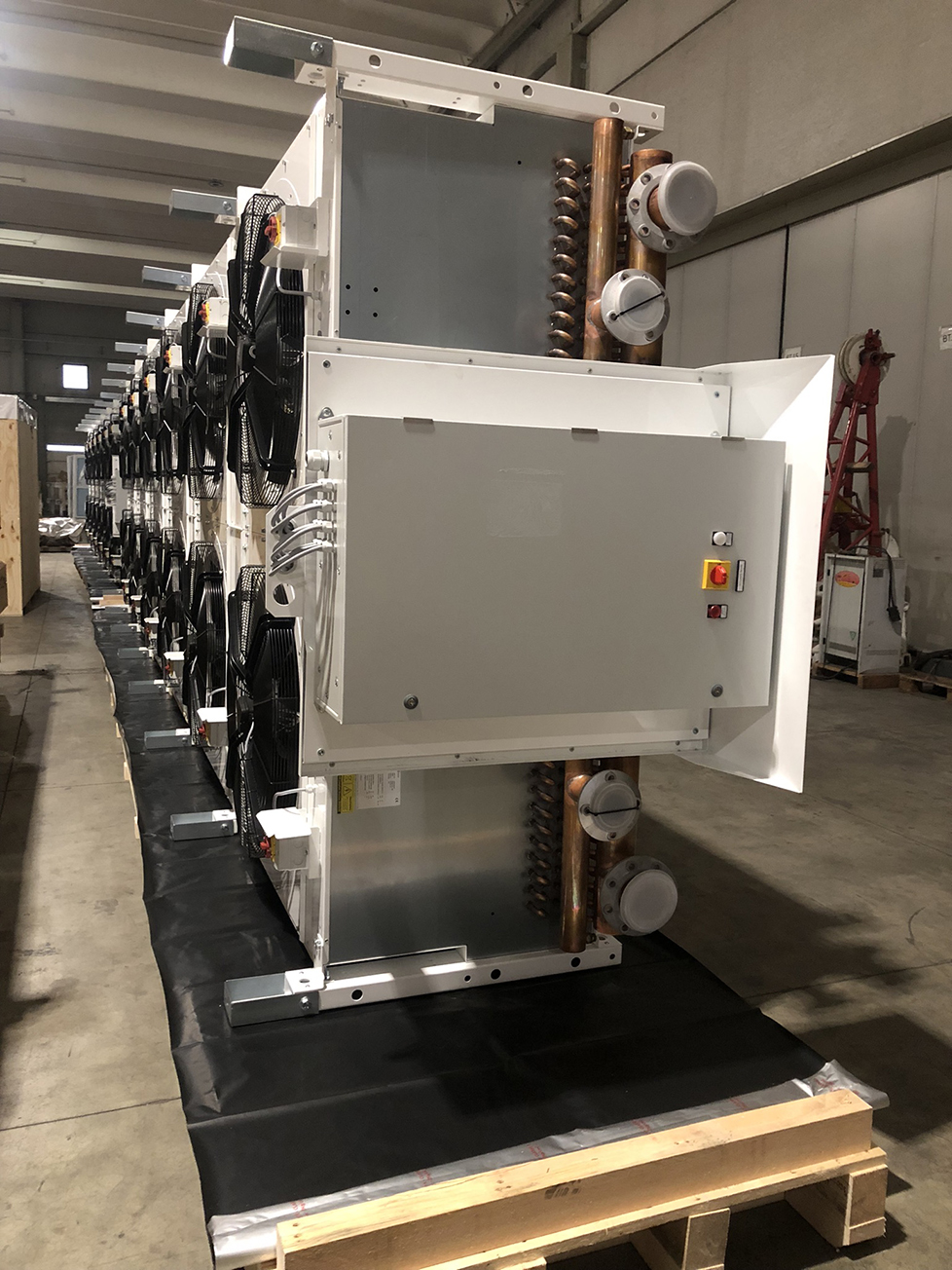
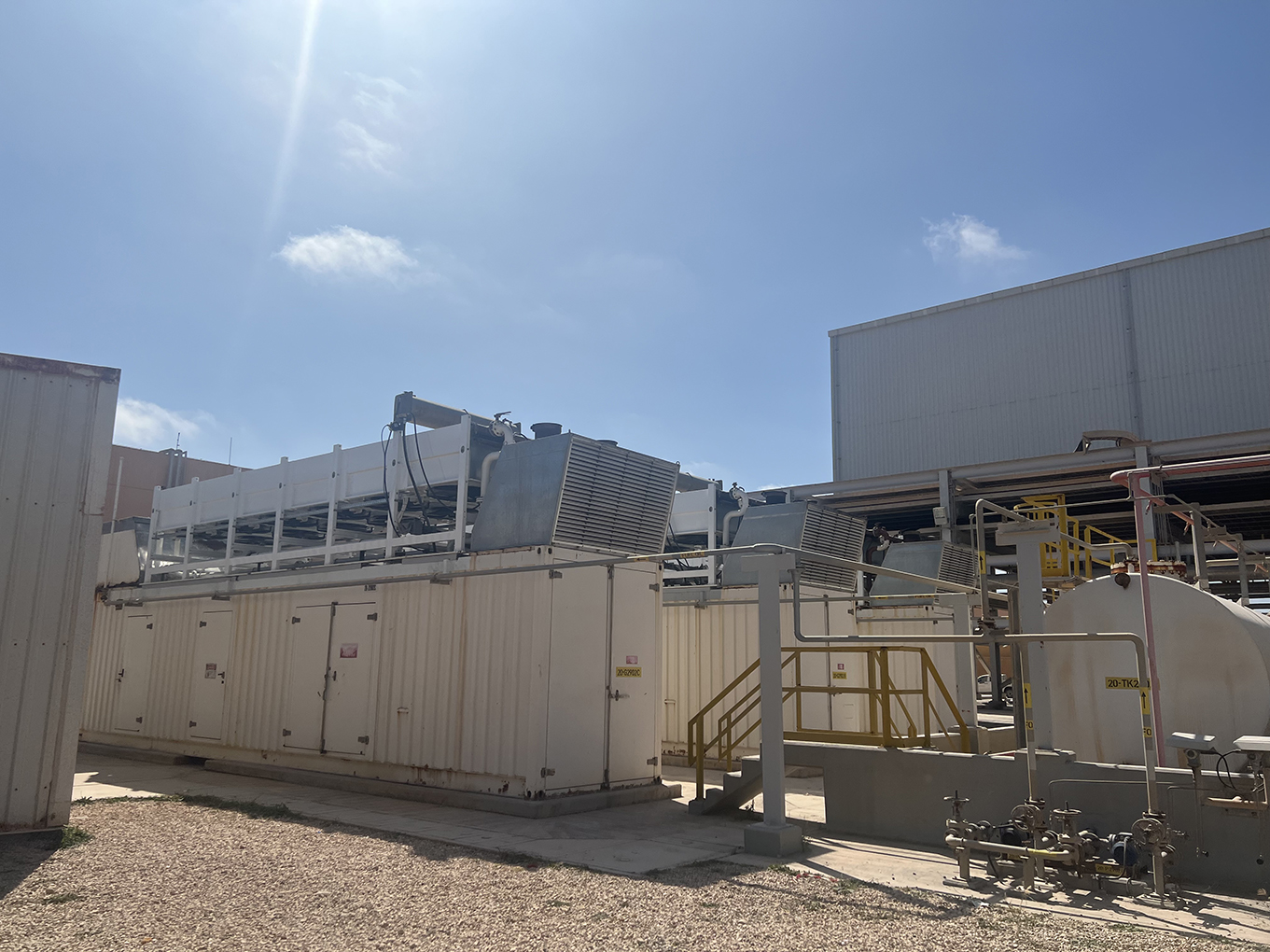
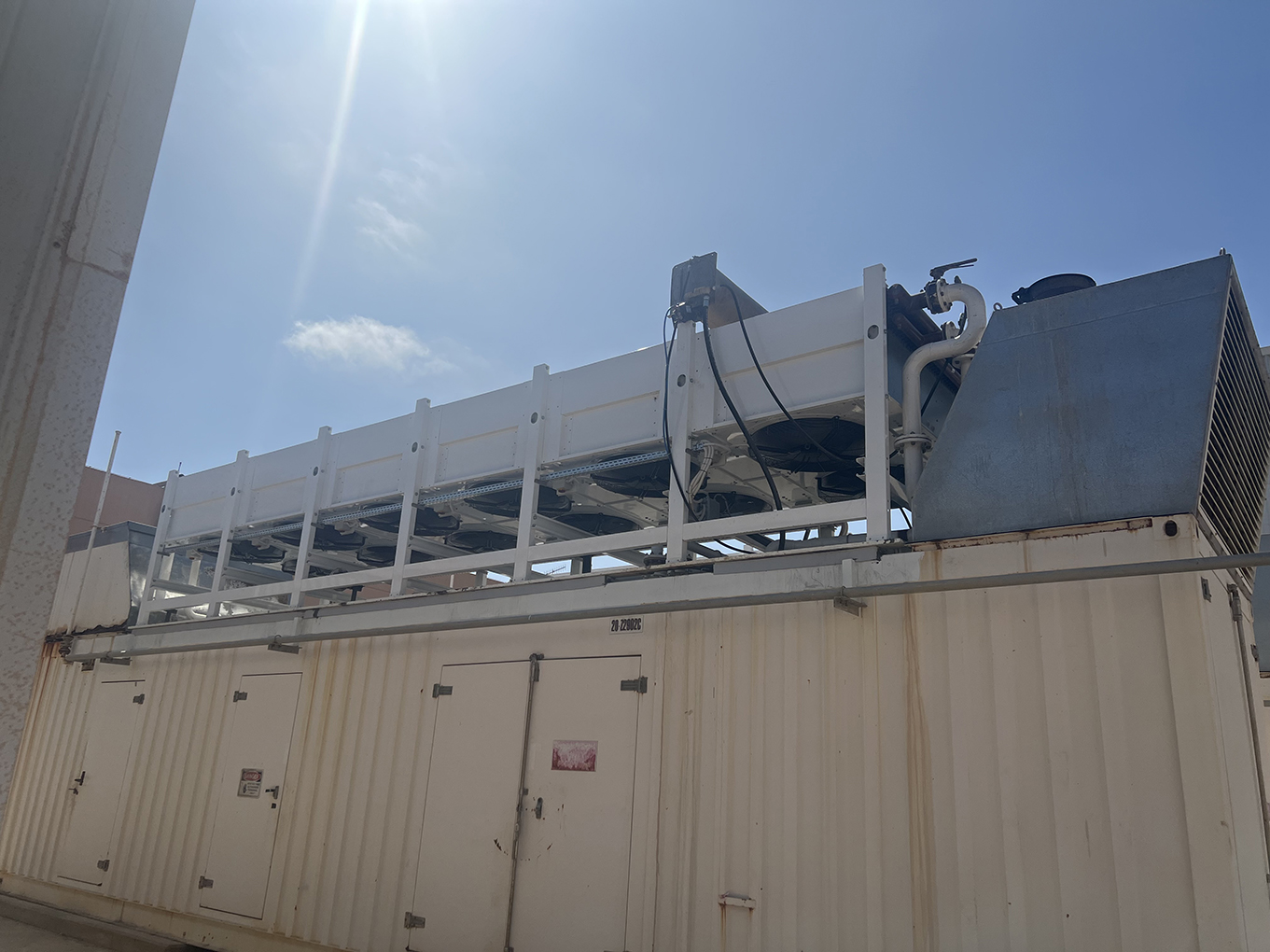
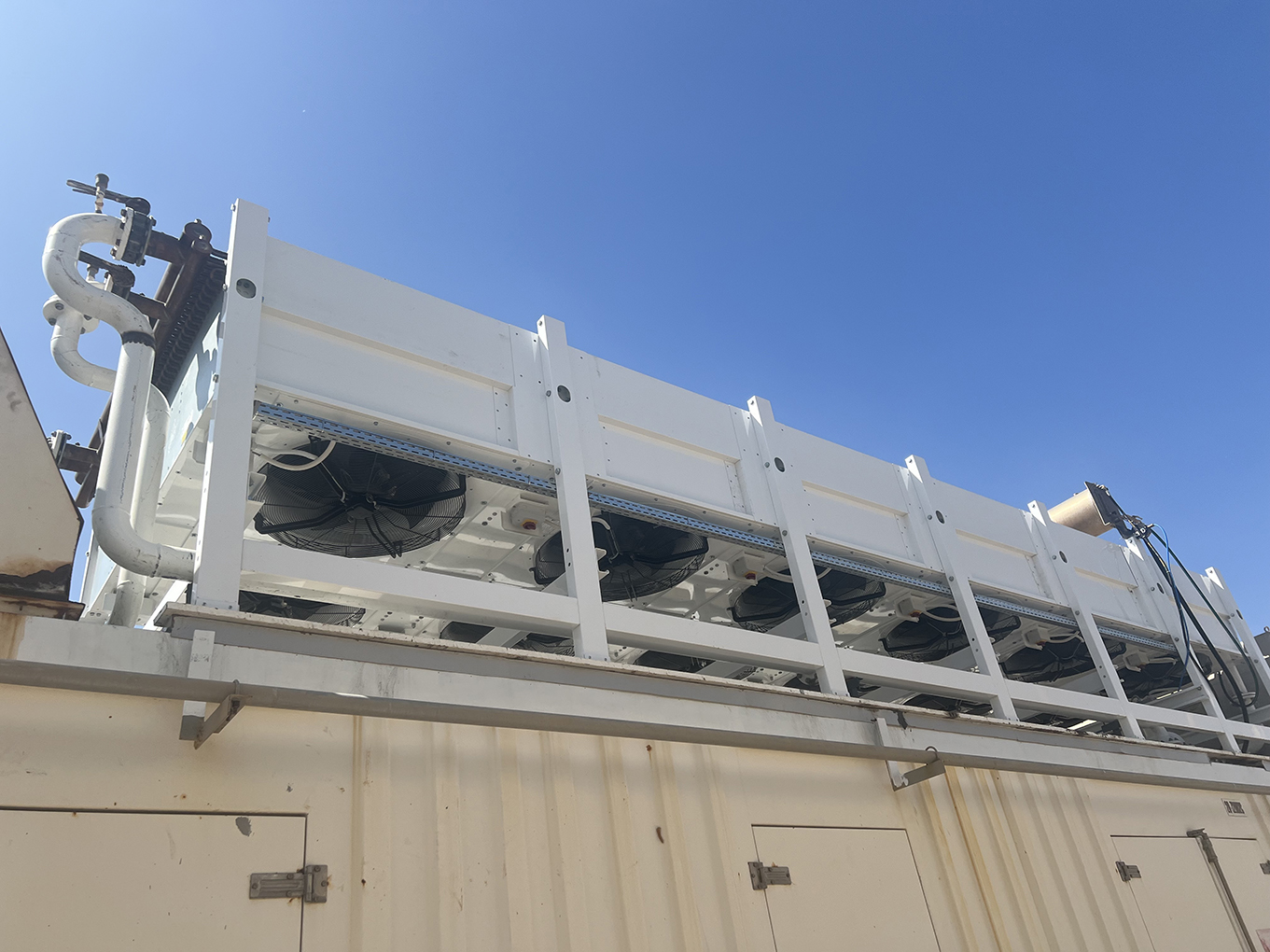
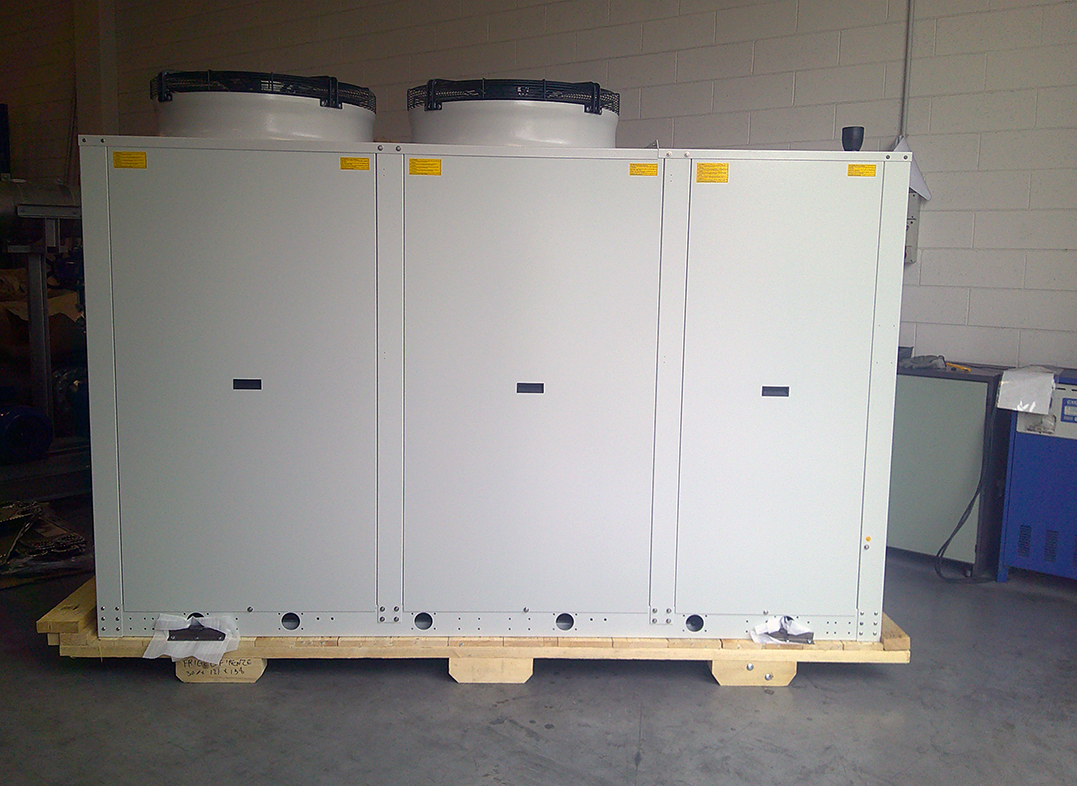
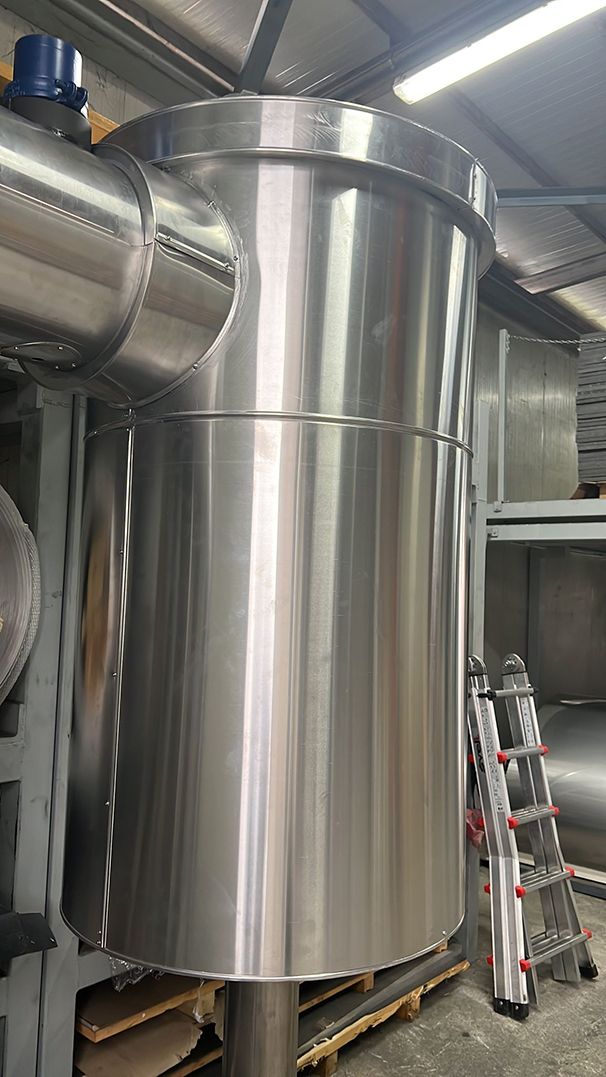
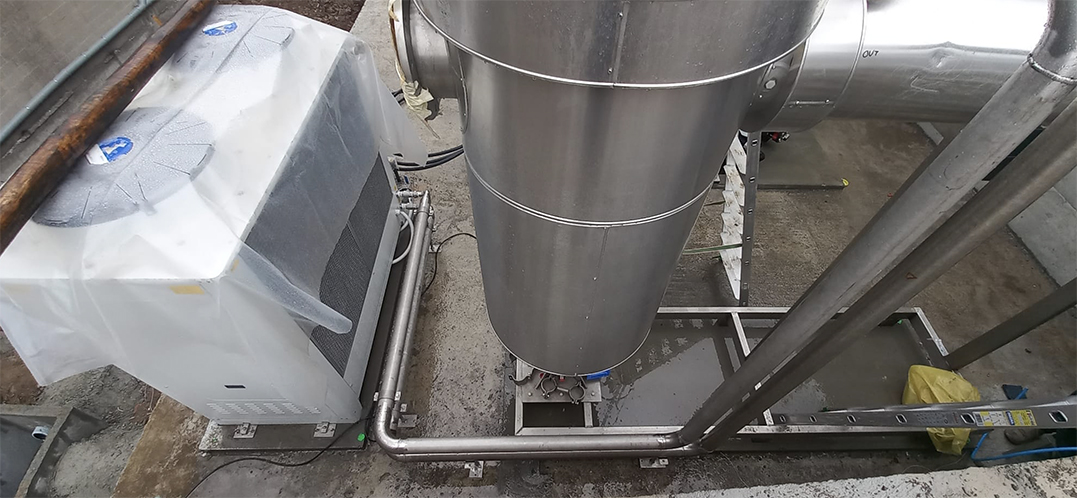
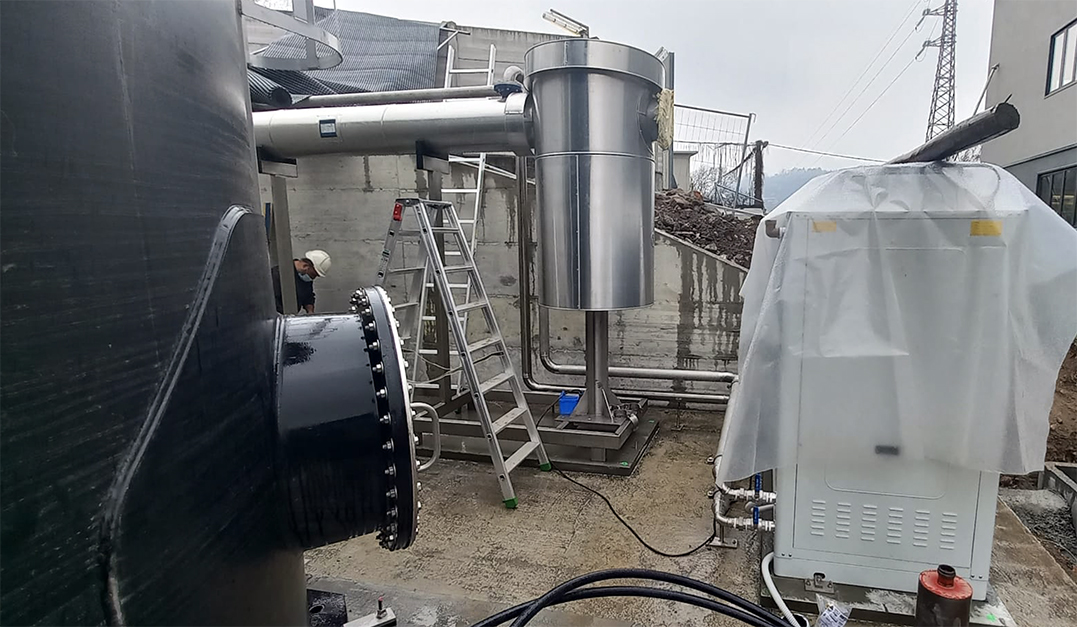
Also in 2023 we have installed a fair number of biogas plants, all equipped complete with chiller, heat exchanger and condensate separator.
All systems are always supplied in full configuration and are delivered ready for installation. Speaking about biogas, of particular interest are therefore the latest applications in the paper mill sector, with the aim of reducing polluting emissions. In fact, paper mills have a high potential for the production of biogas and biomethane, as the production cycle of a paper mill generates large amounts of waste water rich in biodegradable COD (chemical oxygen demand), which lends itself to being treated and valorised for the production of biogas.
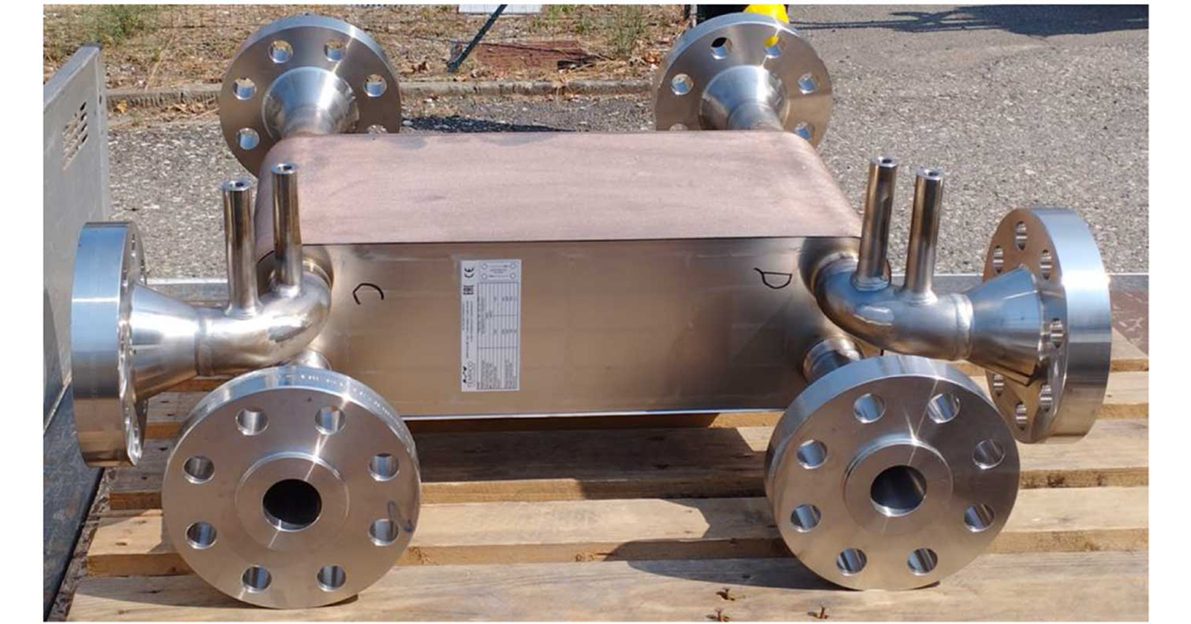
Let’s talk again about heat exchangers, but more specifically about Diffusion Bonding, a special construction process of exchangers related to PCHEplate heat exchangers.
We all know that several kinds of plate heat exchangers exist: inspectable exchangers, brazed plate exchangers, fully welded plate heat exchangers and, furthermore, there is a kind of full inox plate heat exchangers which are made using this special processing technology called diffusion bonding.
In fact, this is an innovative welding process that allows to join two similar or different metals through a sort of permeation of the metals’ crystalline structure. And at much lower temperatures of those required for the melting process of the metals.
How is it possible? I’m not going too much in depth with details, which can be found online. Essentially, the exchangers are placed inside special furnaces, under vacuum conditions, where they reach temperatures equal to 65, 70 or 75% than the melting temperature and under pressure the permeation of the crystalline structure is achieved. Therefore, the process generates extremely resistant welding joints without material addiction and with no additional weight.
This special construction process has many applications in a variety of sectors including main sectors such as aerospace, oil and gas and also the hydrogen industry which is actually a really emerging trend sector.
These exchangers offer a lot of advantages and some disadvantage. Among the disadvantages is the construction process that increases costs, because it employs special furnaces and a very peculiar processing that requires long cycle times and thus higher costs.
On the side of advantages, the fact that these are exchangers made in a unique material and fully welded and so they offer a very high resistance to extremely high pressures and temperature levels. This technology can be applied both to stainless steel exchangers and in titanium, but also to different materials, where the technology becomes a little more complicated.
Green innovation in thermal energy management and temperature tasks for the process industry require responsibility and imagination. For some years now, Tempco’s commitment to develop industrial thermoregulation solutions has pursued not only the target of achieving maximum energy efficiency, but also to bring sustainability and renewable energy in temperature regulation solutions.
We our therefore quite proud to announce that this path today leads to the birth of Tempco.green, a new space expressly dedicated to thermal energy management solutions with a Green footprint, embracing new technologies to accompany companies within the process industry on a common path towards a future sustainable production. Solid Sustainability is the claim of this new era in Tempco, and the new energy that fuels the solutions that we want to study together with customers to bring sustainability into production processes in all industrial sectors.
A new energy, green solutions and renewables, energy saving and cutting-edge technologies, from the innovative PCHE exchangers for applications in the hydrogen industry and CO2 refrigeration, to the TCOIL immersion exchangers in applications that exploit heat pumps and geothermal energy; from fuel cells to new solutions for green mobility in the automotive and marine sectors. Up to digitalization for an increasingly fine and more intelligent monitoring and optimization of energy consumption in industrial processes.
We invite you to enter and discover the Tempco.green world, to create together the New era of sustainability in the process industry.
Let’s bring back a subject that has been already treated in a previous video on our Tempco YouTube channel explaining how to calculate the buffer volume in chillers, which is the volume of a thermal buffer tank.
Indeed, someone pointed out that there were no formula explaining how to calculate it.
Let’s start saying that it is first of all a check, because during the design step, we need to know some informations and data: these are the working temperature of the chiller which is the temperature of the cold water that the chiller is intended to provide and that is going to be stored inside the tank. Furthermore, the temperature of the warm fluid arriving from the process. The overall volume of the plant and the buffer tank volume we have estimated. Why these four data are requested?
Because with a very simple formula, which is showed in the video and here above, we can define if with this kind of volume and temperature levels involved the temperature arriving at the chiller will be the right design temperature, in other words, checking if the return temperature to the chiller won’t be too high.
As it was explained in the previous video, that’s because if a too high temperature arrives to the chiller, the chiller goes in fault, evaporation temperature raises as well as condensation pressure, and the chiller gets blocked.
And furthermore, it causes a rise in the temperature that cause a block of the overall production plant.
Among the measures to contrast climate change in industry, there is certainly the increasing transition to equipment that uses environmentally friendly refrigerants, with the aim of reducing greenhouse gas emissions. However, the use of environmentally friendly refrigerants, such as R290, is subject to strict regulations, and the filling quantity of the equipment must be carefully monitored. This is a very important topic, as highlighted in a recent article published by Kaori, our technological partner for plate heat exchangers.
The need to carefully calculate the quantity of natural refrigerant poses a great challenge in product design, making the calculation of the volume of the heat exchanger even more crucial.
In particular, the article highlights how the performance of a heat pump is related to several factors such as the heat transfer area (HTA), the heat transfer coefficient (U) and the logarithmic mean delta T (LMTD) of the heat exchanger. However, the system sizing rule is even more complex, as it also includes other factors such as refrigerant charge, expansion valve superheat adjustment, refrigerant side volume and heat exchanger pressure drop, and it is impossible to consider just one parameter.
When considering the replacement of a brazed plate heat exchanger of another brand with a Kaori exchanger, it is therefore necessary to consider the following:
1. The declared catalogue value and the actual volume value of the product of other brands may differ, therefore it is recommended to use it only as a reference. Also, if a refrigerant distributor is installed in the heat exchanger, this may affect the effective volume value. Therefore, the exact volume can be measured after filling it with water.
2. The volume of the heat exchanger should not be the main parameter driving the replacement; the corresponding relevant system parameters should instead be considered.
A practical example can be of help in this regard: a brand XXH62-60 (refrigerant side volume approximately 2.73 L) corresponds to the same volume of a Kaori R111 brazed plate heat exchanger (BPHE), which requires 66 plates, with a consequent total number of plates and total excess heat exchange area (+18%). Furthermore, the refrigerant flow rate decreases, the saturated evaporation temperature increases due to the pressure drop, and if the expansion valve and refrigerant volume do not match, this can adversely affect the final performance.
This time of year has come, and the Tempco team would like to wish everyone a Great Holiday season, have a Merry and Warm Christmas and a Happy and always more Sustainable New 2024.
A New Year in the sign of increasingly and more innovative Green solutions for temperature regulation and an efficient thermal energy management.
A new video on our Tempco Youtube Channel, dedicated to cleaning operations of brazed plate heat exchangers, closes the roundup on the services for cleaning of heat exchangers. Let’s start saying that brazed plate exchangers are the one that are less cleanable among all plate heat exchangers. That’s because these are realized as a unique compact block totally welded and furthermore they are usually employed with clean fluids.
This is because internal channels are very tiny and small, we’re speaking about hydraulic passages with a diameter of 2 – 2,5 mm. Clearly, a mechanical cleaning is impossible to achieve. A chemical washing is possible, the classic CIP, Cleaning in place, using washing cleansers more or less aggressive that can remove scaling, deposits of dirt or grease that have been collected inside the exchanger.
Obviously, the exchanger must allow at least a fair passage for the fluid, meaning that if the brazed plate exchanger is completely clogged, it is no more possible to clean it. That’s because the fluid won’t be flowing inside the exchanger, or anyway it will create preferred flowing channels but it won’t clean the overall plates pack.
Therefore, it is better to employ brazed plate exchangers only with clean fluids. Or otherwise, make a careful check of pressure drops, and as soon as there is a sign of an increase in pressure drops, at constant flow rate, that is the warning that the brazed plate exchanger is starting to get dirty. It is then suitable to immediately make a cleaning intervention, in order to avoid a complete clogging of the exchanger.
Among the different types of heat exchangers included in Tempco portfolio of solutions, particularly suitable for new applications in the hydrogen industry for Green Energy are the FULL STAINLESS STEEL and PCHE plate exchangers, printed circuit exchangers completely made in stainless steel suitable for hydrogen generation and fuel systems using PEM electrolysis or low conductivity deionized water.
Regardless of the type of electrolysis technology, Tempco can provide high-value thermal solutions employing brazed plate heat exchangers for electrolysis equipment, electrolytes, working fluid cooling and process heat recovery. Tempco thermal systems can be used in heating and cooling cycles for the production and use of hydrogen.
An important and interesting application case study recently developed regadrs the collaboration with Baglietto for the creation of the Bzero yacht, which opens the doors to zero-emission boating.
From water to energy, Tempco’s contribution to achieve this goal consists in the provision of on-board power electronics cooling systems. Thanks to an in-depth study of the case, we’ve been able to guarantee an efficient, compact and totally customized solution for the customer’s needs. More in detail, the solution designed for Baglietto includes three different thermal energy management systems:
Electric container
Energy dissipation in sea water with TCOIL immersed exchanger. Electric preheating
Hydrogen container
Cooling and temperature regulation of the FUEL CELL
Container storage
Hydrogen storage in metal hydrides
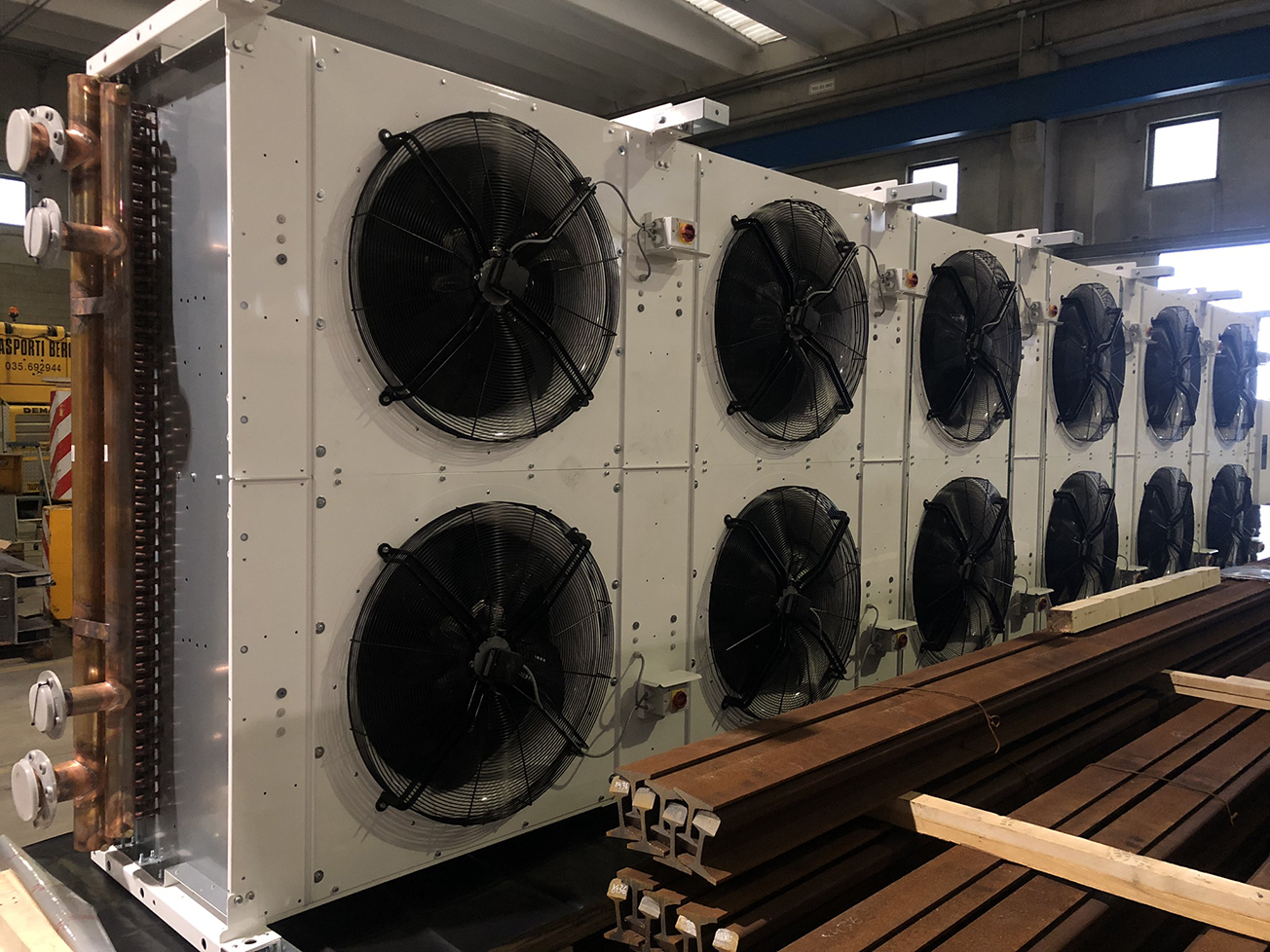
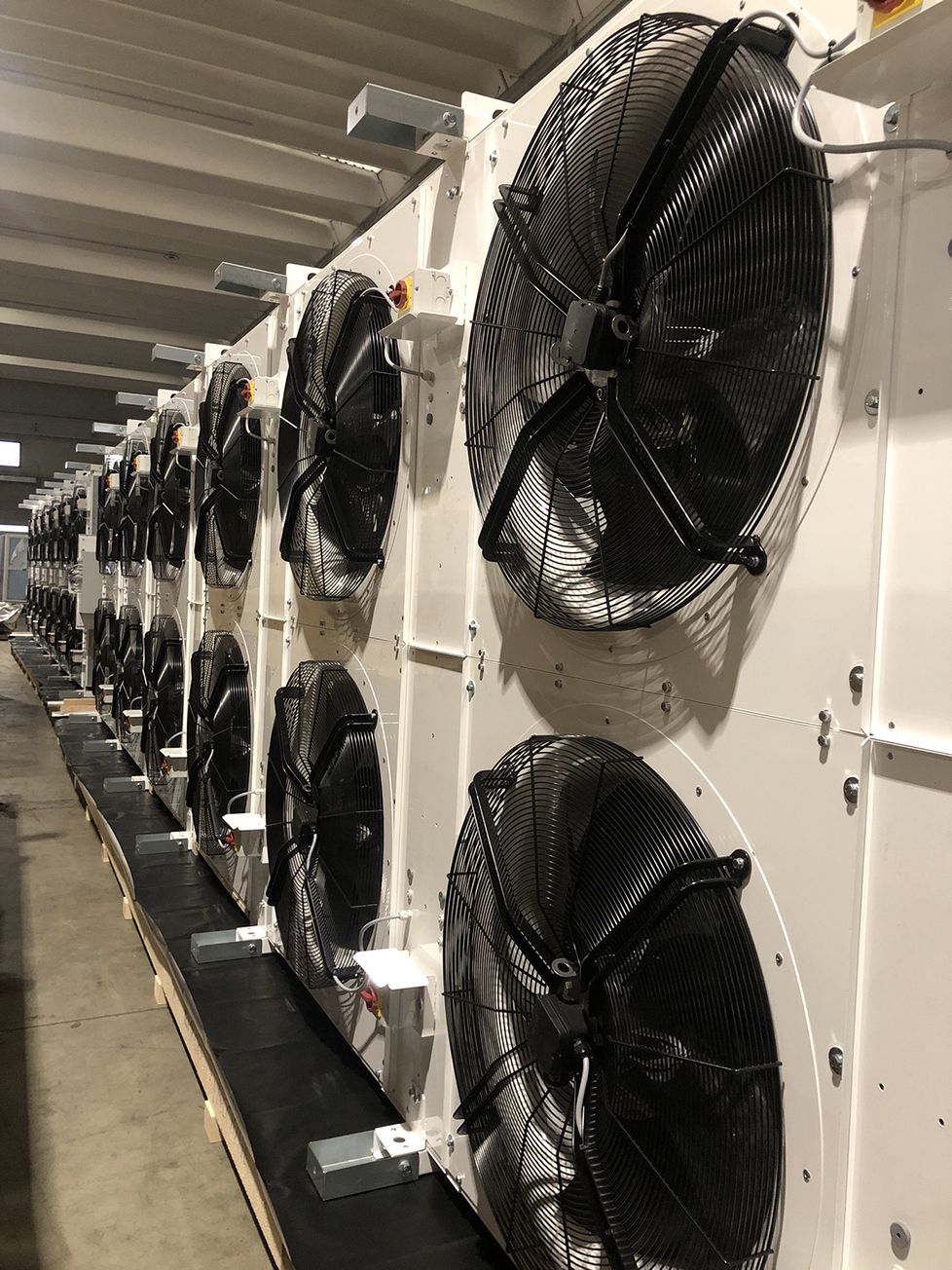
The proper management of cooling tasks is a delicate and very important operation in the production of expanded polystyrene. In fact, this kind of application in the past used to be achieved employing cooling towers, but nowadays the evolution of technologies allows to accept cooling temperatures at higher levels.
This development therefore allows the use of air-cooled condensers, the classic dry-coolers, adopting a solution that also offers the advantage of eliminating the water consumption involved with evaporative towers and ensuring a much simpler overall maintenance of the plant. In fact, there is no longer the risk of legionella implications due a poor water management or scaling due to the presence of carbonates.
The cooling solutions for the production of expanded polystyrene developed by Tempco therefore use special heat exchangers equipped with stainless steel tubes, a material chosen with the aim of increasing their durability and reliability over time.
These are heat exchangers that are realized using a very particular production process, involving the realization of plates and related channels using a technology similar to the one that’s employed for the realization of printed circuits. In fact, employing a sort of electrochemical etching process, the channels on plates are obtained following a customized layout that was previously prepared on a PC using a CAD software, then transferred the plate with a sort of ‘printer’, just to make it simple.
Clearly, the process isn’t so simple and predictable, it requires indeed a special and very particular know-how, but it allows to realize plate heat exchangers with very interesting characteristics. Very interesting because it’s plain to see that to be able to realize a kind of channel using this process allows to have maximum flexibility and total design freedom in the realization of the channels. So that therefore we’re no more limited to a mould required in the traditional physical printing of the plates, but we are using a mechanical processing.
Furthermore, we don’t have to realize a mould anymore in order to print the plate, but simply enjoying the freedom to create a layout and transferring it onto the plate.
The advantages offered by these PCHE exchangers are remarkable, because they also allow to create multi-stream exchangers. In traditional exchangers, it is in fact possible to have three-stream circuits, at maximum. With this construction process we can obtain multi-stream heat exchangers, with 3, 4 o 5 different streams. In the most suitable position and with diversified channels and circuits, so that if we have to handle different flow rates, different pressure drops and kind of thermal transfers we can let loose in the creation of dedicated channels.
The construction of the exchangers is then achieved using a special welding process called Diffusion Bonding, that allows to obtain heat exchangers without filler materials, and so in case of stainless steel, full-inox exchangers but also full-titanium, completely made in titanium, offering high pressure and high temperature resistance. High temperatures in terms of extreme levels in both directions, from cryogenic temperatures up to very high temperatures.
And this clearly opens to applications in a lot of different industrial sectors.
Clearly, there are also some disadvantages, such as the costs and production times, but these are widely rewarded and repaied by the fact of having plate heat exchangers with such high performances.