Tempco Blog articles

Chlorine water: titanium or stainless steel?

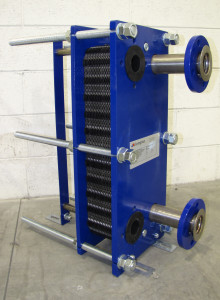
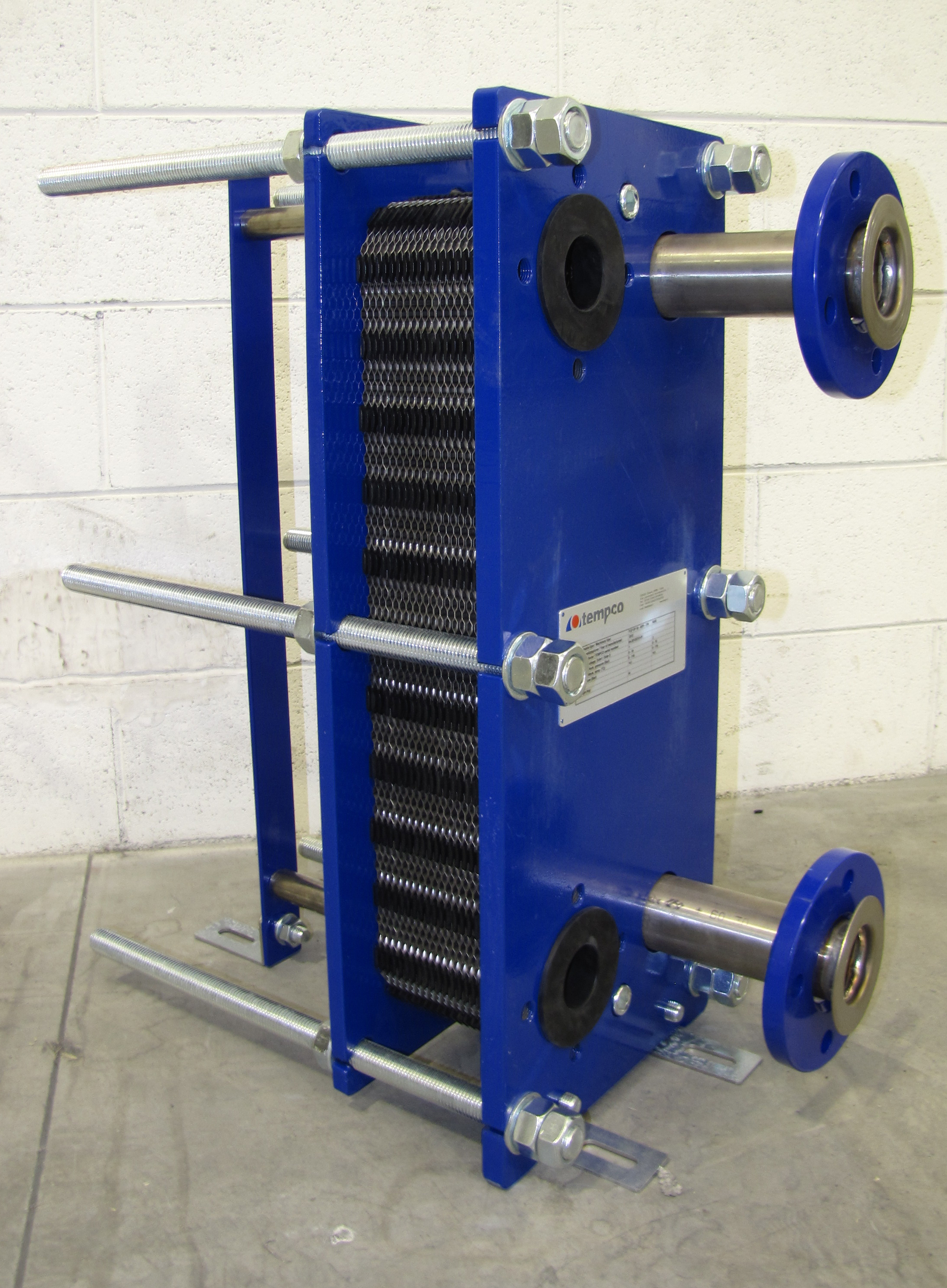
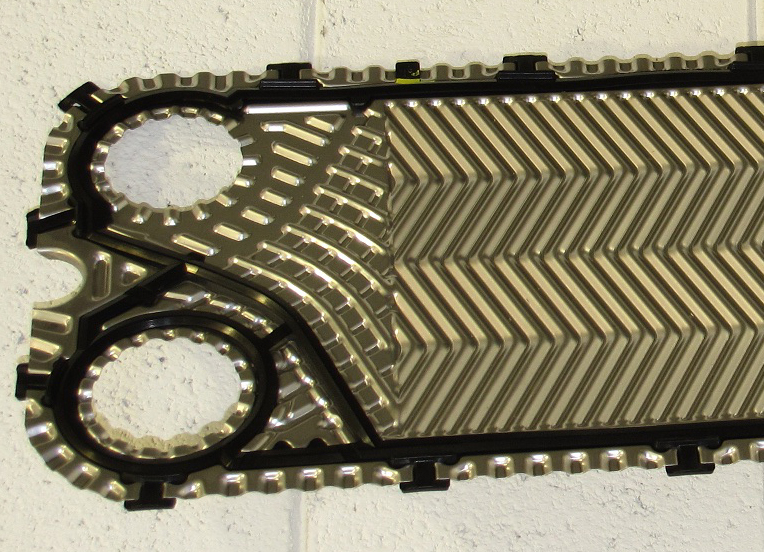
Chlorine water on plate heat exchangers…what kind of plate material? Our technical department answer to this question many times.

Looking at ship structure, we can think stainless steel is suitable, but you know, heat exchanger is directly in contact every time with salted water and with higher temperature sometimes.

The following data sheet gives clearly the stainless steel limits:

CHLORUR CONCENTRATION SCHEDULEWith sea water the must is titanium.

schema ship phe

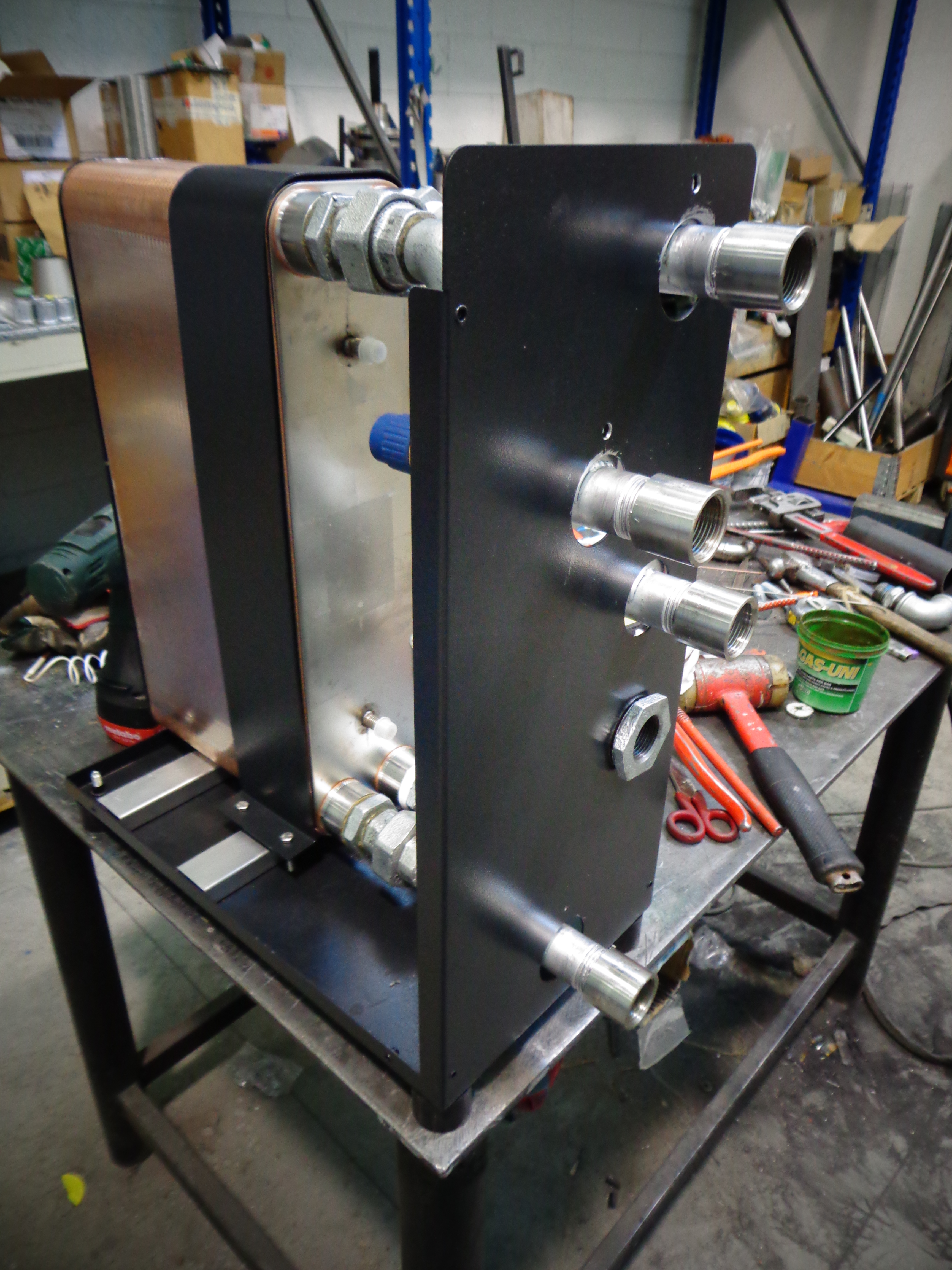
Brazed plate heat exchangers

Our followers know how brazed plate heat exchangers flexible are, and how many industrial application they can achieve solutions:

  • flexibility
  • reliability
  • compactness

these features with low costs are the most important.

Market offer a lot af competitors, but everyone follows big numbers and standard solutions.

Tempco must is to customize our products in order to achieve customer needs.

Scambiatori di calore saldobrasati per olio

Leggi »

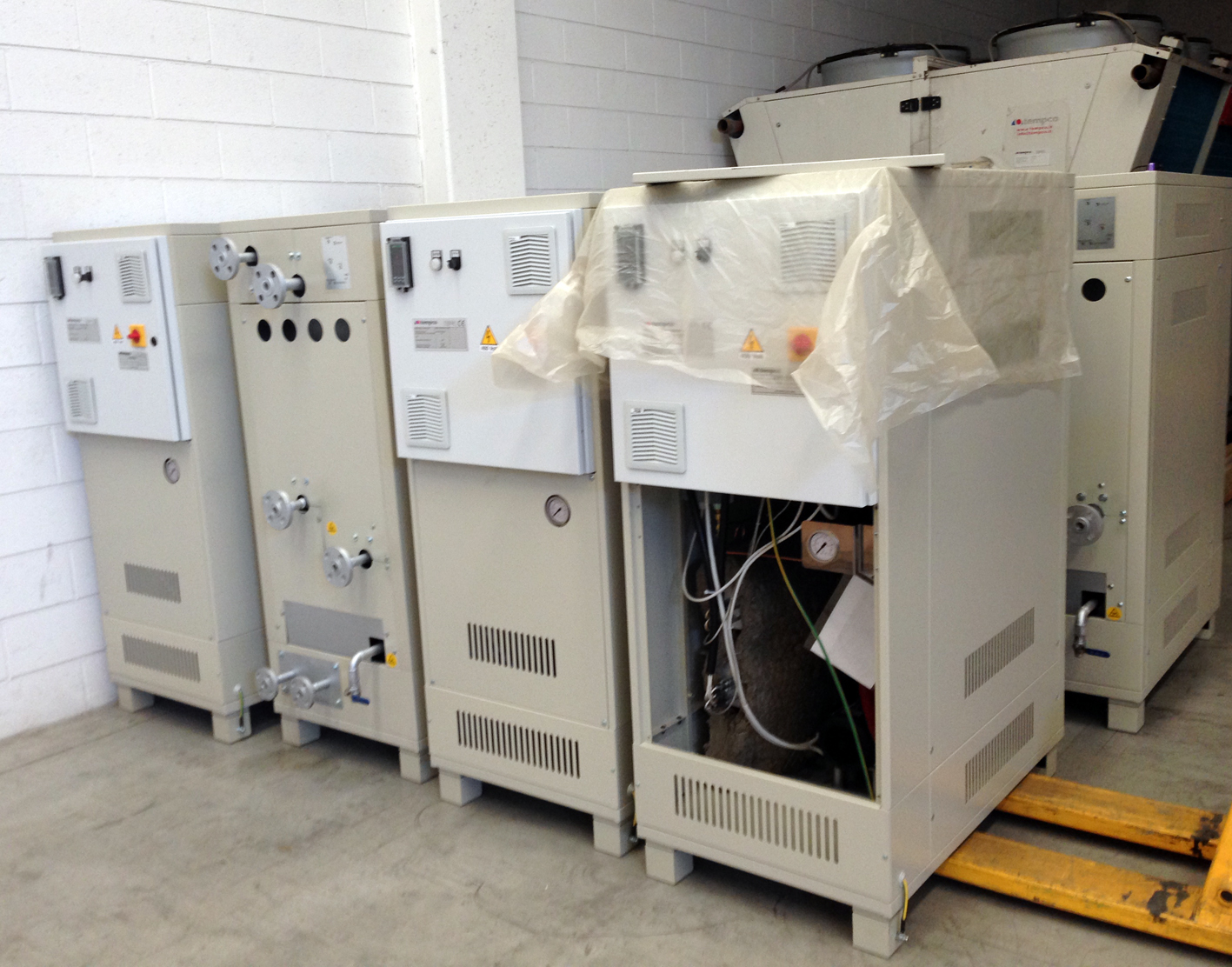
TREG FLEX energy saving thermoregulating units

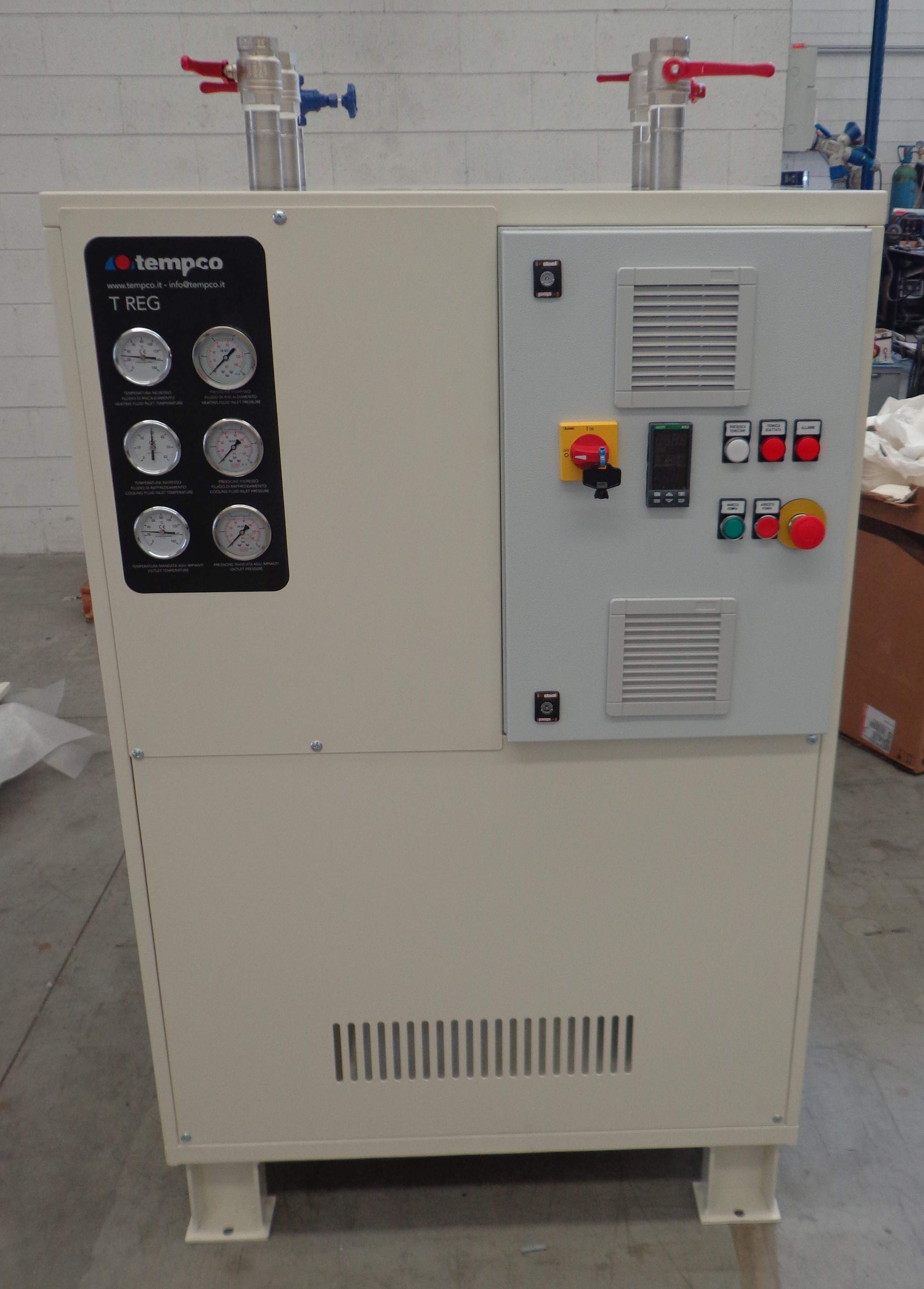
Electric thermoregulating units energy saving could seem a little bit strange… It’s a custom line of our TREG skid package units.

Usually on industrial process, customers need to heat up tha batch in a short time, then keep controlled temperature along the production process.

It means max power on production starts. The following steps need less thermal energy.

Small TREG are equipped with step heating systems, controlled by manually or automatically from electronic thermoregulator.


TREG THERMOREGULATING UNIT with scr heater

Leggi »

Plastic compound preparation

Plastic material compound are a mix of different elements, in order to achieve mechanical and physical features.

These mixers needs a fine temperature regulation, with heating and cooling processes.

They are not complicated systems, but needs dedicated design, in order to avoid problems during operations.

TCPU HC unità di termostatazione per mescolatori delle materie plastiche

Leggi »

Chemical plants and temperature control

From the pages of this blog we have repeatedly covered the issue relating to  thermoregulation in chemical plants.

Surely I repeat myself, but to pick up the discussion, basically during the production phases implying the use of reactors, there are different temperature steps to be respected, to obtain the chemical reactions, the decompositions or to make the enzymes work in the correct way, avoiding the degrading or destroying active principles

TREG thermoregulating unit for industrial processes, unità di termoregolazione

These steps provide stops, heating and cooling gradients, basically real and proper engineering of temperature and of thermal energy, that with the TREG integrated systems we are able to correctly manage.

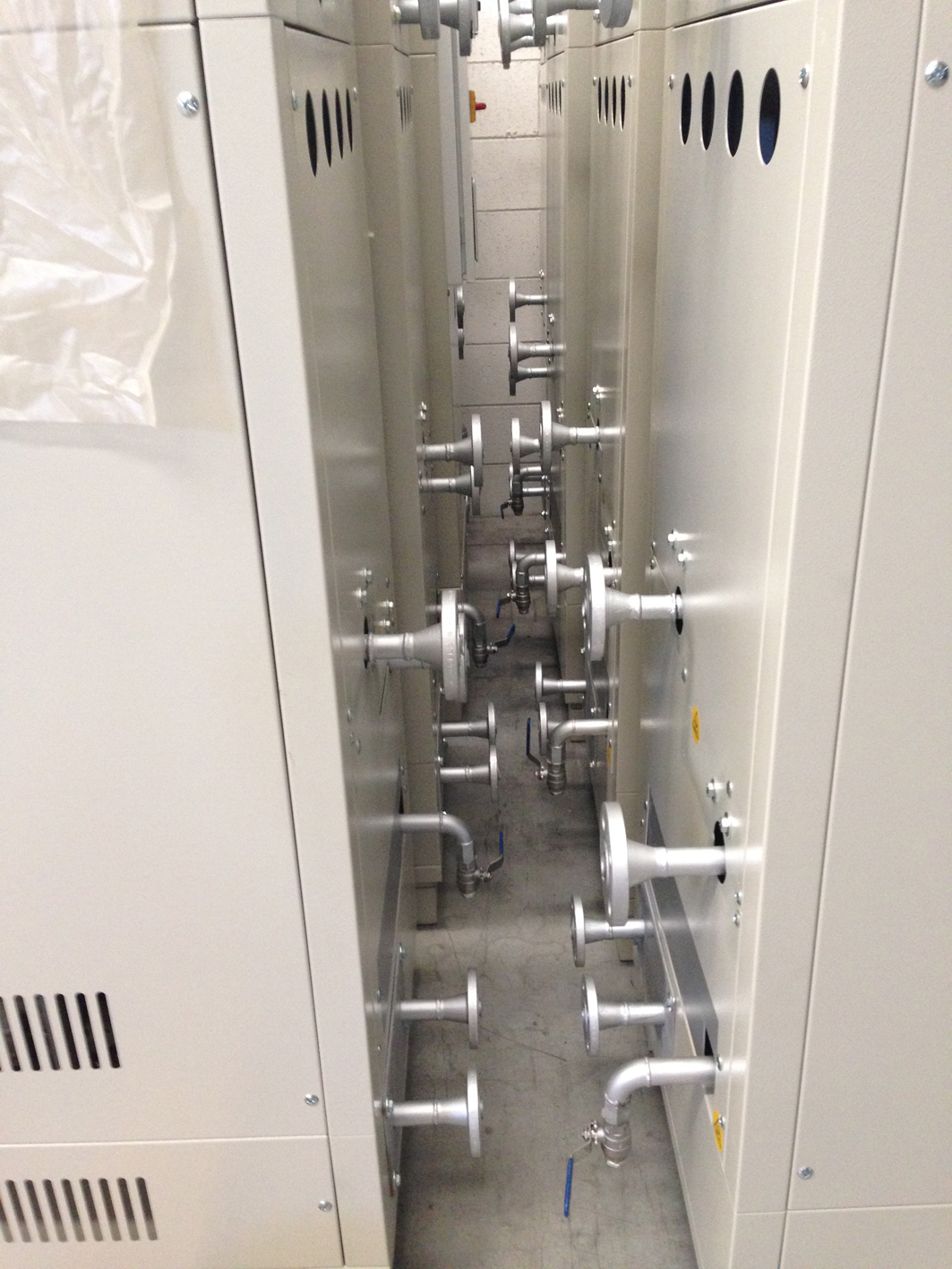
A very interesting job has entailed the design and construction of 12 units TREG HC, that were installed in two different plants, having similar management features.

The first is a refining and concentration plant where the thermoregulation stations control the temperature level within a range varying from +10°C to +135°C. The adjusting fluid is pressurised water that transits in two different heat plate exchangers which, through servo-activated pneumatic valves, controlled by remote PLC by the customer, allow setting the different temperature levels and the heating and cooling gradients.

The realisation is completed faired, the internal piping in stainless steel, with highly efficient heat exchangers and centrifugal circulation electric pumps, with mechanical seal for high temperature.

TREG thermoregulating unit for industrial processes, unità di termoregolazione

With regard to the fluid adjustment, globe pneumatic valves have been used with regulator/positioner fitted directly on the servo-control on both steam and on water, while on the process fluid side, the by-pass valves are on-off. All complete with limit switches and feedback on position.

All completed by a series of alarm and safety signals, managed by the on-off equipment.

The expansion tanks sized by our technical department, is managed and installed directly on the customer’s plant, since they are significant volumes.

TREG HCE thermoregulating unit for chemical application, centraline di terrmoregolazione

The second plant has required 5 thermoregulation units, for as many pharmaceutical reactors, where the process is in many ways similar, also requiring a temperature step close to -30°C, requiring little thermal energy.

We have solved this by implementing a braze-welded heat pate exchanger for cryogenic applications, supplied with non-freeze solution at -35°C.

To avoid wasting energy the moment intervention on this section is required, we have provided a particular type of operation that allows avoiding energy losses on other thermoregulation steps.

The constructive logic traces the same choices with the addition of a remote control via the web, managed by the customer’s head office, for the control of energy consumption.

TREG HCE thermoregulating unit for chemical application, centraline di terrmoregolazione

TCOIL flexible heat exchangers

I like too much TCOIL heat exchangers…their versatility makes them real chameleons of the heat exchange

Your can fit them in shape, layout and dimensions you need, I imagine it makes them like a tailored suit, “sewn” to the thermal requirements of the customer.

TCOIL are the essence of Tempco way of work.

OLYMPUS DIGITAL CAMERA

Leggi »

Tempcoblog, newlook…

…ooppss…

every day running and I forget to say thanks to Action guys, for their good job.

And you…what do you thnk about? send us your suggestion.

Enjoy a Yourbeer while you think…


Tank temperature regulation

In production processes, which are industrial or food of any kind, often have the material stored in tanks , which must be kept at a controlled temperature.

This need arises for different reasons , some of which can be simply :

  • conservation
  • preparation for use
  • preparation for subsequent processing
  • change of state (fermentation , maturation )
  • storage tanks

serbatoi di stoccaggio - tanks

Leggi »

Corrosion and pitting in stainless steel

We are developing a new project for an important customer in energy production.

They need to know the compliance of different material of plate heat exchangers with their cooling water.

Checing with our technical dept, we find this interesting data sheet:

pitting_inox

You can find the complete document following this link:

Centroinox